The Beginner’s Guide to Mindful Breathing Techniques
Stress doesn’t always start in your mind. Often, it begins in your breath.
When deadlines pile up, workouts feel exhausting, or sleep becomes restless, breathing tends to get shallow and fast. Most people don’t notice it happening. But changing how you breathe can shift how your body feels within minutes.
Mindful breathing is one of the simplest tools for improving focus, recovery, and everyday well-being without equipment, apps, or complicated routines.
Let’s break it down in a practical way.
What Is Mindful Breathing?
Mindful breathing is a technique that involves paying deliberate attention to your breath its rhythm, depth, and sensation while breathing slowly and intentionally. This practice helps calm the nervous system, reduce stress hormones, and improve mental focus by shifting the body from a “fight-or-flight” state into a relaxed, balanced state.
Why Mindful Breathing Matters
Most adults breathe inefficiently.
Under stress, breathing becomes:
- Shallow
- Rapid
- Chest-dominant
- Irregular
This pattern signals the nervous system that something is wrong even when you’re just answering emails.
Over time, this affects:
- Energy levels
- Exercise recovery
- Sleep quality
- Mental clarity
Athletes and high-performing professionals have started paying closer attention to breath training for this reason. It’s not just a relaxation exercise. It’s a nervous-system reset.
At Sportiemade, we often recommend mindful breathing as a foundation habit, especially for people building a home workout routine or trying to manage stress alongside a busy schedule.
Science-Backed Benefits of Mindful Breathing
Researchers have studied breathing practices for decades. The results are consistent: controlled breathing directly influences the autonomic nervous system.
Here are several benefits supported by research.
1. Lower Stress and Cortisol
Slow breathing activates the parasympathetic nervous system, often called the “rest and recovery” system.
A review published in Frontiers in Psychology found that controlled breathing practices significantly reduce perceived stress and anxiety.
2. Improved Heart Rate Variability (HRV)
HRV measures how adaptable your nervous system is.
Higher HRV is linked with:
- Better recovery
- Athletic resilience
- Reduced burnout
Mindful breathing can improve HRV within weeks of consistent practice.
3. Better Focus and Cognitive Clarity
Even brief breathing exercises help regulate oxygen and carbon dioxide levels in the blood.
This improves:
- attention
- decision-making
- emotional regulation
That’s one reason many athletes and executives now use breathing drills before high-pressure situations.
4. Better Sleep Quality
Slow breathing before bed helps lower heart rate and calm the mind.
Studies from the National Institutes of Health (NIH) show that breathing practices can help improve insomnia symptoms and sleep latency.
5. Faster Workout Recovery
Controlled breathing supports:
- oxygen delivery
- muscle relaxation
- recovery after intense training
That’s why many strength coaches now include breathing drills during cool-downs.
A Quick Reality Check: Limitations
Mindful breathing is powerful, but it’s not magic.
It will not:
- Replace medical treatment for anxiety disorders
- Fix chronic respiratory illness
- Solve severe sleep disorders alone
Think of it as a daily habit that supports your body’s recovery systems, not a cure-all.
If you experience dizziness, panic, or breathing discomfort during exercises, stop and speak with a healthcare professional.
Types of Breathing Techniques (Comparison Table)
Different breathing styles serve different goals.
| Technique | Best For | How It Works | Beginner Friendly |
|---|---|---|---|
| Diaphragmatic Breathing | Relaxation & stress relief | Deep belly breathing engages the diaphragm | ⭐⭐⭐⭐⭐ |
| Box Breathing | Focus & mental clarity | Equal inhale, hold, exhale cycles | ⭐⭐⭐⭐ |
| 4-7-8 Breathing | Sleep preparation | Longer exhale slows heart rate | ⭐⭐⭐⭐ |
| Coherent Breathing | Nervous system balance | 5-6 breaths per minute rhythm | ⭐⭐⭐⭐ |
| Alternate Nostril Breathing | Mental calm | Alternates airflow between nostrils | ⭐⭐⭐ |
For beginners, diaphragmatic breathing is usually the best place to start.
Step-by-Step: Mindful Breathing for Beginners
You don’t need a meditation cushion or a quiet mountain cabin.
Five minutes at your desk or living room floor is enough.
Step 1: Choose a Comfortable Position
Sit upright or lie on your back.
Keep:
- shoulders relaxed
- jaw unclenched
- hands resting naturally
One hand on your chest and one on your stomach can help you notice movement.
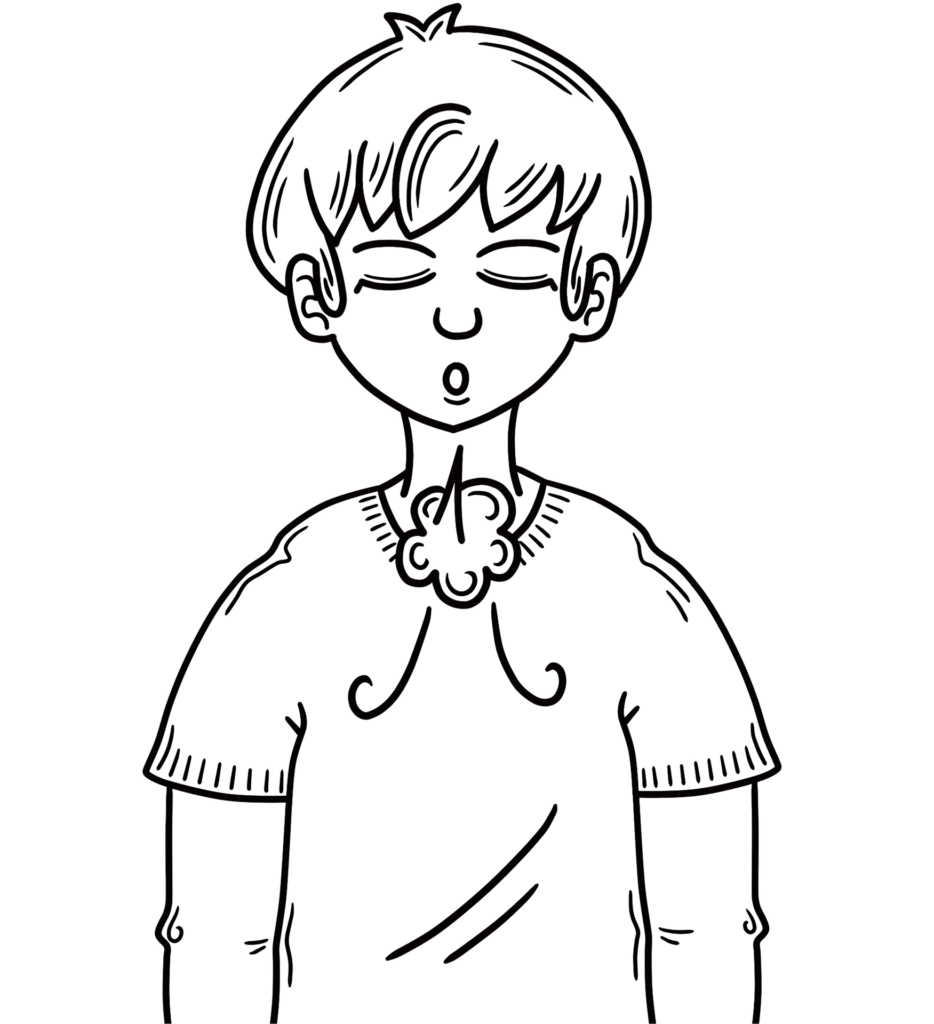
Step 2: Breathe Through Your Nose
Nasal breathing helps:
- filter air
- regulate airflow
- improve oxygen efficiency
Try to avoid mouth breathing unless necessary.
Step 3: Expand the Belly First
When you inhale, your stomach should rise slightly.
Your chest should move very little.
This means the diaphragm is doing the work.
Step 4: Slow the Rhythm
Aim for a gentle pattern like this:
- Inhale: 4 seconds
- Exhale: 6 seconds
Longer exhales help the body relax.
Step 5: Focus on Sensation
Instead of forcing the breath, observe it.
Notice:
- air entering the nose
- the expansion of the abdomen
- the slow release during exhale
If your mind wanders, simply bring attention back to breathing.
No frustration required.
Step 6: Practice for 5 Minutes
Consistency matters more than duration.
Start with:
- 5 minutes daily
- gradually increase to 10 minutes
Many people notice benefits within 1–2 weeks.
A Real-World Scenario
Imagine this moment:
You’ve had a long day. Work deadlines piled up. You planned to exercise at home but feel drained.
Instead of skipping the workout completely, you try this:
- Sit on the floor.
- Practice mindful breathing for 5 minutes.
- Let your heart rate settle.
Something interesting happens.
Your body shifts from overstimulated to steady. That small reset often makes starting a light workout much easier.
Many coaches use breathing exactly this way as a bridge between stress and movement.
If you’re building a sustainable fitness routine at home, this trick can help keep consistency high.
The Overlooked Insight: Breathing Speed Matters More Than Depth
Many beginners try to take huge breaths.
But research suggests breathing frequency is often more important than breath size.
The sweet spot for calming the nervous system is about:
5–6 breaths per minute.
This rhythm improves communication between the heart and brain.
In practice, that means:
- inhale ~5 seconds
- exhale ~5 seconds
Athletes sometimes call this coherent breathing, and it’s one of the most studied techniques for stress management.
Pro Tip from Sportiemade
If you struggle to stay consistent, attach breathing to an existing habit.
For example:
- 5 minutes after waking up
- before starting your home workout
- during a lunch break reset
- right before sleep
Stacking habits makes them stick.
For busy professionals, this small routine often becomes a daily “reset button.”
Common Mistake Beginners Make
Mistake: Trying Too Hard
Many people force deep breaths and end up feeling dizzy.
Mindful breathing should feel:
- relaxed
- natural
- steady
If breathing feels strained, simply return to normal breathing and start again slowly.
Myth: “Breathing Exercises Are Just Meditation”
Not exactly.
Meditation focuses on awareness and mental clarity.
Mindful breathing specifically trains the respiratory and nervous systems.
That’s why breathing drills are used by:
- athletes
- military training programs
- therapists
- physical rehabilitation clinics
The effects are physiological, not just mental.
Quick Summary
If you remember only a few things, keep these in mind:
✔ Mindful breathing means paying attention to slow, controlled breaths.
✔ It helps shift the body into a relaxed recovery state.
✔ Benefits include reduced stress, improved focus, and better sleep.
✔ Start with diaphragmatic breathing for 5 minutes daily.
✔ Consistency matters more than perfection.
Over time, breathing becomes something you use throughout the day, not just during meditation.
Frequently Asked Questions
How long should I practice mindful breathing each day?
Most beginners benefit from 5–10 minutes per day. Consistency matters more than long sessions. Even short breathing breaks can calm the nervous system and improve focus.
Can mindful breathing reduce anxiety?
Mindful breathing may help reduce stress and mild anxiety by activating the parasympathetic nervous system. However, it should not replace professional treatment for diagnosed anxiety disorders.
Is it better to breathe through the nose or mouth?
Nasal breathing is generally recommended because it helps regulate airflow, filter particles, and support efficient oxygen exchange.
How long does it take to see benefits?
Some people notice relaxation within minutes. Consistent practice over 1–2 weeks often improves stress levels, focus, and sleep quality.
Can mindful breathing improve workout performance?
Yes. Controlled breathing can improve oxygen delivery, reduce tension, and help regulate heart rate during recovery phases of exercise.
Final Takeaway
Your breath is one of the few body systems you can control directly.
That makes it a powerful tool.
Instead of waiting for stress to build or energy to crash, mindful breathing gives you a simple way to reset your body anytime before workouts, during busy workdays, or at night when sleep feels out of reach.
Start with five minutes today.
Small habits practiced daily often lead to the biggest health changes over time. 🌿
For more practical strategies on sustainable fitness and recovery, explore:
[Healthy Living Resource Page]
Medical Disclaimer
This article is for educational purposes only and does not replace professional medical advice. Consult your healthcare provider before starting any new health routine.
Suggested Citations
- Zaccaro, A. et al. (2018). How Breath-Control Can Change Your Life: A Systematic Review on Psycho-Physiological Correlates of Slow Breathing. Frontiers in Human Neuroscience.
- National Institutes of Health (NIH). Research on breathing exercises and stress reduction.
- Mayo Clinic. Diaphragmatic breathing: Benefits and techniques.
-
World Health Organization (WHO). Stress management and breathing practices guidance.

Nick Smoot is a certified fitness coach and the founder of Smoot Fitness, established in 2012. With over a decade of hands-on experience, Nick has personally coached more than 400 clients both in person and online helping them achieve lasting, life-changing physical transformations.
As a contributing expert at Sportiemade (sportiemade.com), Nick brings real-world expertise and a no-nonsense approach to fitness. His coaching philosophy goes beyond short-term results: he equips every client with the knowledge, habits, and mindset needed to get into the best shape of their life and stay there permanently.
Nick specialises in strength training, endurance performance, and the mental discipline that ties them together. His signature philosophy? Lift heavy, run far, and never stop learning.
Whether you are just beginning your fitness journey or looking to break through a plateau, Nick's evidence-based methods and proven track record make him one of the most trusted voices in the fitness space.