
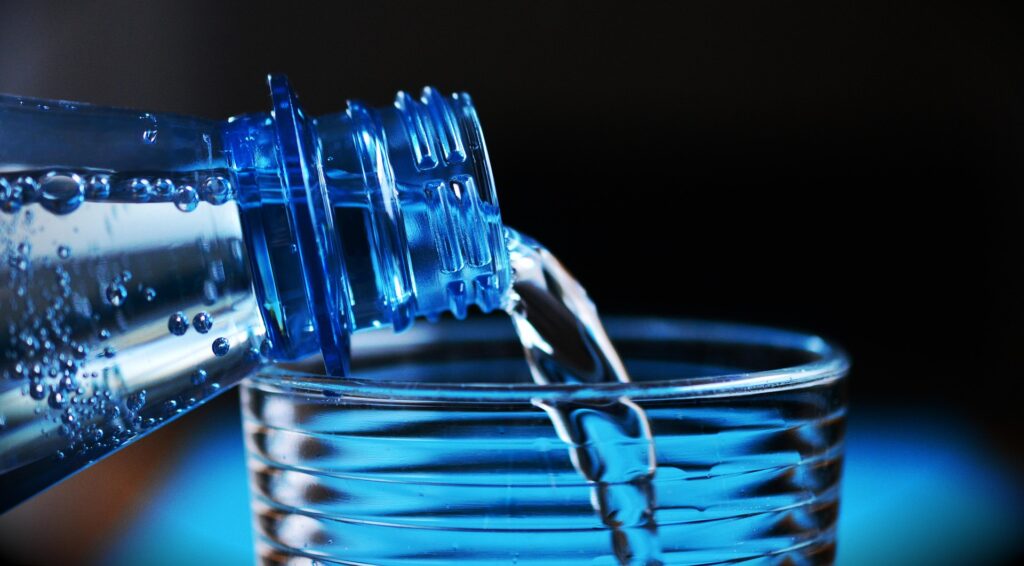
How to Build Sustainable Hydration Habits That Last
You finish a workout, feel drained, and realize you barely drank any water all day. Sound familiar?
Many people try to “drink more water,” but the effort fades after a few days. Hydration works best when it becomes automatic something you do without thinking, like brushing your teeth.
The goal isn’t forcing eight glasses a day. It’s building a hydration routine that fits your life and supports long-term health, workouts, and recovery.
What Are Sustainable Hydration Habits?
Sustainable hydration habits are consistent daily behaviors that help you maintain adequate fluid intake without relying on willpower or reminders. These habits integrate hydration into existing routines like meals, workouts, and work breaks so your body stays properly hydrated over the long term.
Search Intent: Why People Want Better Hydration
Most readers looking for hydration advice want to solve everyday problems like:
- Feeling tired during workouts
- Frequent headaches or brain fog
- Dry skin or muscle cramps
- Forgetting to drink water during busy days
- Unsure how much water the body actually needs
This guide addresses both beginners starting hydration habits and intermediate fitness enthusiasts optimizing performance and recovery.
Why Hydration Matters for Health and Fitness
Your body is about 50–60% water, and nearly every physiological process depends on it.
Water supports:
- Blood circulation
- Temperature regulation
- Nutrient transport
- Joint lubrication
- Cellular function
Even mild dehydration just 1–2% fluid loss can affect energy, concentration, and physical performance.
According to the National Institutes of Health (NIH), dehydration can reduce endurance capacity and increase perceived effort during exercise.
For people training at home or juggling busy schedules, hydration is often the simplest performance upgrade available.
Science-Backed Benefits of Consistent Hydration
Hydration doesn’t just quench thirst. It supports several systems linked to longevity and fitness.
1. Better Physical Performance
During exercise, sweat loss reduces blood volume. That forces the heart to work harder.
Adequate hydration helps maintain:
- endurance
- muscle efficiency
- temperature control
A review published in PubMed found dehydration can impair aerobic performance and increase fatigue.
2. Improved Cognitive Function
Your brain is highly sensitive to fluid balance.
Research cited by Mayo Clinic shows mild dehydration may contribute to:
- headaches
- reduced concentration
- slower reaction time
This matters not only for athletes but also for busy professionals working long hours.
3. Joint and Muscle Support
Water helps maintain synovial fluid, which lubricates joints.
Good hydration may help:
- reduce stiffness
- improve mobility
- support post-workout recovery
This becomes more important after age 40, when joint health requires more attention.
4. Healthy Digestion and Metabolism
Water helps move food through the digestive tract and supports nutrient absorption.
Consistent hydration may help reduce:
- constipation
- bloating
- sluggish digestion
5. Temperature Regulation
During exercise or hot weather, the body cools itself through sweat.
Without enough fluid intake, core temperature rises faster, increasing fatigue and risk of heat-related issues.
The World Health Organization (WHO) emphasizes hydration as a key factor in preventing heat stress during physical activity.
How Much Water Do You Actually Need?
The “8 glasses a day” rule is simple but it’s not universal.
Your hydration needs depend on:
- body weight
- activity level
- climate
- diet
- sweat rate
General guideline
| Body Weight | Daily Fluid Range |
|---|---|
| 120–150 lbs | 2.0–2.5 L |
| 150–180 lbs | 2.5–3.0 L |
| 180–220 lbs | 3.0–3.7 L |
Athletes or people exercising regularly may need an additional 0.5–1 liter per hour of exercise.
Another practical indicator: urine color.
- Pale yellow → well hydrated
- Dark yellow → drink more fluids
The Biggest Hydration Mistake Most People Make
Many people try to chug large amounts of water once or twice a day.
The body absorbs fluids more effectively when intake is spread across the day.
Think of hydration like fueling a car.
Small, regular refills work better than waiting until the tank is empty.
A Practical System for Sustainable Hydration
Instead of relying on motivation, use habit stacking.
Habit stacking links hydration to activities you already do.
Step 1: Start Your Day with Water
Before coffee.
Drink 300–500 ml of water within 15 minutes of waking.
Why?
During sleep, your body loses fluids through breathing and sweat.
Morning hydration helps restore balance.
Step 2: Anchor Hydration to Meals
Drink a glass of water:
- before breakfast
- before lunch
- before dinner
This alone adds 600–900 ml daily without extra effort.
Step 3: Hydrate Around Workouts
For home workouts, follow this simple framework:
Pre-workout
200–400 ml 20 minutes before exercise
During exercise
Small sips every 10–15 minutes
Post-workout
400–600 ml within one hour
This supports performance and recovery.
Step 4: Use Environmental Cues
Your environment influences behavior more than motivation.
Try:
- keeping a water bottle on your desk
- placing water next to your bed
- carrying a bottle in your gym bag
Visibility triggers action.
Step 5: Choose the Right Water Bottle
This small detail matters more than people expect.
Look for:
- 700–1000 ml capacity
- clear measurement markers
- easy-open lid
When progress is visible, people tend to drink more.
A Real-World Hydration Scenario
Consider Alex, a 38-year old professional who works from home and trains three evenings per week.
He used to forget to drink water until workouts, which caused headaches and fatigue.
After adopting a simple routine:
- water after waking
- one bottle by his desk
- hydration before workouts
Within two weeks he noticed:
- better workout endurance
- fewer afternoon energy crashes
- improved focus during work.
Small changes often produce the biggest results.
Hydration Sources Beyond Water
Water should be the main fluid source, but other options can contribute.
| Beverage | Hydration Value | Best Use |
|---|---|---|
| Water | Excellent | Everyday hydration |
| Herbal tea | Good | Evening hydration |
| Milk | Good | Post-workout recovery |
| Electrolyte drinks | Moderate | Long workouts |
| Coffee | Mild hydration | In moderation |
Foods can also help.
High-water foods include:
- cucumbers
- oranges
- strawberries
- watermelon
- lettuce
These support hydration naturally.
Unique Insight: The “Hydration Momentum Effect”
One overlooked factor in hydration habits is momentum.
People who drink water early in the day are far more likely to stay hydrated later.
Why?
Early hydration reduces the physiological thirst lag the delay between dehydration and thirst signals.
This creates a positive cycle:
Morning water → reduced fatigue → better habit adherence.
It’s a small action that sets the tone for the entire day.
Risks of Overhydration
Drinking excessive amounts of water can dilute sodium levels in the blood a condition called hyponatremia.
This is rare but more likely during endurance sports.
Signs may include:
- nausea
- headache
- confusion
- swelling
For most people, the solution is simple:
Drink consistently, not excessively.
Common Hydration Myths
Myth 1: Coffee dehydrates you
Moderate caffeine intake still contributes to hydration.
Coffee only becomes dehydrating in very large amounts.
Myth 2: Thirst is the best indicator
Thirst signals often appear after mild dehydration has already started.
Regular drinking works better than waiting.
Myth 3: More water is always better
Hydration needs balance. Excessive intake provides no additional benefit.
Pro Tip from Sportiemade
If you struggle to drink enough water, try the “rule of transitions.”
Drink water every time you change activities.
Examples:
- starting work
- finishing a meeting
- before workouts
- after workouts
- before leaving the house
Transitions happen dozens of times each day. Each one becomes a hydration reminder.
This method works especially well for busy professionals training at home.
[Healthy Living Resource Page]
Quick Summary
- Sustainable hydration habits rely on routine, not motivation.
- Spread water intake evenly throughout the day.
- Anchor hydration to waking, meals, and workouts.
- Use environmental cues like water bottles.
- Monitor hydration through urine color and energy levels.
- Avoid both dehydration and excessive water intake.
Consistency not perfection builds long-term hydration habits.
Frequently Asked Questions
How long does it take to build a hydration habit?
Most habits take 2–4 weeks to feel automatic. Pairing water intake with daily routines speeds up the process.
Is it safe to drink water during workouts?
Yes. Small sips during exercise help maintain fluid balance and support endurance.
Can sparkling water count toward hydration?
Yes. Unsweetened sparkling water hydrates the body similarly to still water.
What’s the best time to drink water?
Key times include:
- after waking
- before meals
- before and after exercise
These moments align with natural hydration needs.
How do I know if I’m dehydrated?
Common signs include:
- dark urine
- dry mouth
- fatigue
- headaches
- dizziness
Persistent symptoms should be evaluated by a healthcare professional.
Final Takeaway
Hydration isn’t about forcing yourself to drink more water.
It’s about building small daily behaviors that support your health, workouts, and long-term performance.
Start with one simple change today:
Drink a glass of water tomorrow morning before anything else.
Then attach hydration to the routines you already follow.
Over time, those small actions create a system that supports energy, recovery, and longevity the same long-term approach that defines the Sportiemade philosophy.
Medical Disclaimer:
This article is for educational purposes only and does not replace professional medical advice. Consult your healthcare provider before starting any new health routine.
Suggested References
- National Institutes of Health (NIH) – Hydration and Human Health
- Mayo Clinic – Water: How Much Should You Drink Every Day?
- World Health Organization (WHO) – Hydration and Heat Stress Prevention
- PubMed – Effects of Dehydration on Exercise Performance

Nick Smoot is a certified fitness coach and the founder of Smoot Fitness, established in 2012. With over a decade of hands-on experience, Nick has personally coached more than 400 clients both in person and online helping them achieve lasting, life-changing physical transformations.
As a contributing expert at Sportiemade (sportiemade.com), Nick brings real-world expertise and a no-nonsense approach to fitness. His coaching philosophy goes beyond short-term results: he equips every client with the knowledge, habits, and mindset needed to get into the best shape of their life and stay there permanently.
Nick specialises in strength training, endurance performance, and the mental discipline that ties them together. His signature philosophy? Lift heavy, run far, and never stop learning.
Whether you are just beginning your fitness journey or looking to break through a plateau, Nick's evidence-based methods and proven track record make him one of the most trusted voices in the fitness space.