How to Use Household Items as Weights for Strength Training
Ever skipped a workout because you didn’t have dumbbells? You’re not alone. The good news: your home is already full of usable resistance tools you just haven’t been trained to see them that way.
What does it mean to use household items as weights?
Using household items as weights means substituting everyday objects like water bottles, backpacks, or grocery bags for traditional gym equipment to create resistance during strength training. These items can effectively build muscle, improve endurance, and support home workouts when used with proper form and progression.
Why It Matters
Not everyone has access to a gym or a full rack of dumbbells. But consistency matters more than equipment.
Training with household items helps you:
- Remove barriers to starting
- Stay consistent during busy weeks
- Build functional strength using real-life movement patterns
Think about it: carrying groceries, lifting laundry baskets, moving boxes these are real-world strength tasks. Training with similar objects prepares your body for daily demands.
For busy professionals or parents, this approach isn’t just convenient it’s practical.
Science-Backed Benefits
You don’t need polished chrome dumbbells to build strength. Resistance is resistance.
Research supports this idea:
- Progressive overload matters more than equipment type
A study in PubMed highlights that muscle growth depends on increasing resistance over time not necessarily the tool used. - Functional training improves daily performance
The National Institutes of Health (NIH) notes that multi-joint, real-world movements improve coordination and reduce injury risk. - Home-based workouts can be highly effective
According to the Mayo Clinic, consistent resistance training even with minimal equipment supports muscle strength, bone density, and metabolic health.
Mini Data Breakdown
- Muscle hypertrophy can occur at 30–80% of max effort
- Training 2–3 times per week is enough for beginners
- Improvised weights can match light-to-moderate dumbbell loads (5–25 lbs equivalent)
Common Household Items You Can Use as Weights
Here’s where things get practical.
Upper Body Options
- Water bottles (filled to adjust weight)
- Canned food
- Milk jugs
- Books
Lower Body & Full Body
- Backpacks filled with books
- Laundry baskets
- Suitcases
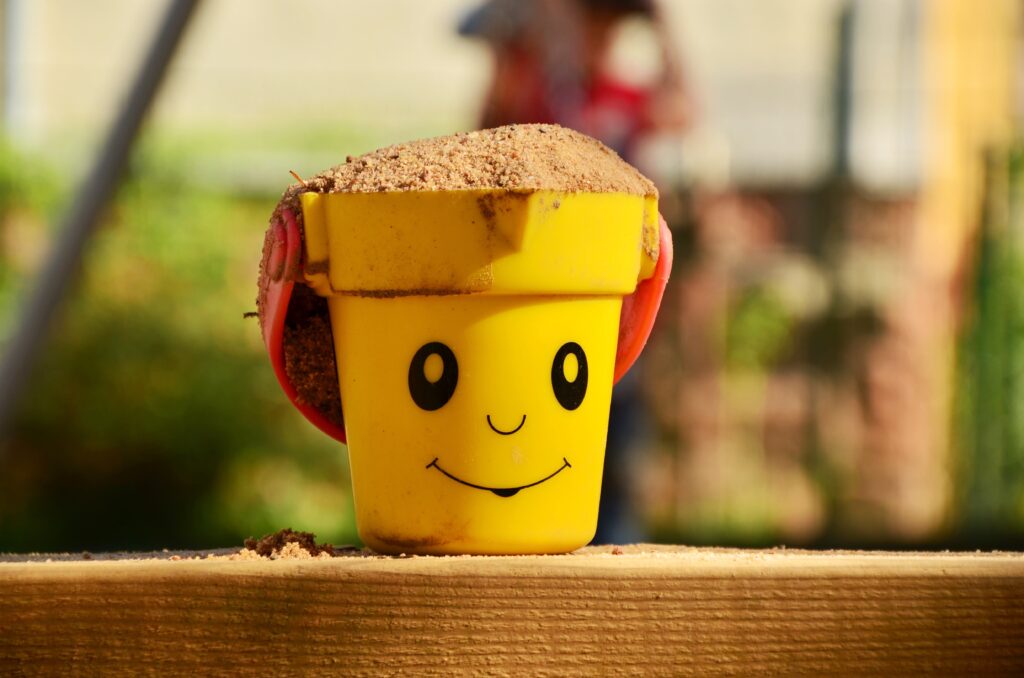
- Buckets with water or sand
Grip & Core Training
- Towels (for resistance pulling)
- Bags of rice or flour
- Paint cans
Comparison Table: Household Items vs Dumbbells
| Factor | Household Items | Dumbbells |
|---|---|---|
| Cost | Free or low-cost | Moderate to high |
| Weight Adjustability | Limited but creative options | Precise increments |
| Grip Ergonomics | Less comfortable | Designed for handling |
| Versatility | High (functional movements) | High (structured training) |
| Accessibility | Immediate | Requires purchase |
Bottom line: Household items win on accessibility, but require more creativity and attention to form.
Risks and Limitations
This approach works but it’s not perfect.
Watch for:
- Uneven weight distribution (can strain joints)
- Grip fatigue (items not designed for lifting)
- Limited progression (harder to increase weight precisely)
Safety Tips:
- Use items with secure lids (no leaking water)
- Test weight before starting a set
- Prioritize controlled movements over heavy loads
If something feels unstable, it probably is.
Step-by-Step Guide: Build a Full Workout at Home
Let’s put this into action.
Step 1: Choose Your “Weights”
Pick 2–3 items of varying weight:
- Light (water bottles)
- Medium (backpack)
- Heavy (loaded suitcase)
Step 2: Structure Your Workout
Beginner Full-Body Routine (20–30 minutes)
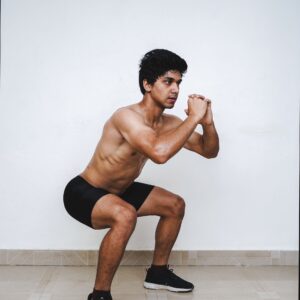
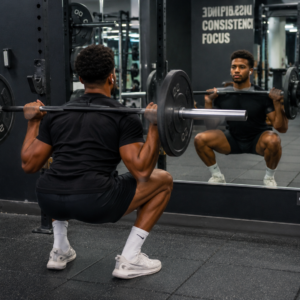
- Squats (Backpack)
- 3 sets of 10–15 reps
- Keep chest upright
- Overhead Press (Water Bottles)
- 3 sets of 8–12 reps
- Control the movement
- Bent-Over Rows (Laundry Basket)
- 3 sets of 10 reps
- Squeeze shoulder blades
- Deadlifts (Suitcase or Bucket)
- 3 sets of 8–10 reps
- Focus on hip hinge
- Core Hold (Weighted Plank)
- Place a book or backpack on your back
- Hold for 20–40 seconds
Step 3: Progress Weekly
- Add more weight (fill containers)
- Increase reps
- Slow down tempo
Consistency beats complexity every time.
Real-World Scenario
Imagine this: it’s 7:30 PM. You’ve just finished work, dinner’s done, and you’re tired.
Driving to the gym feels like a chore.
Instead, you grab a backpack, fill it with books, and run through a 20-minute routine in your living room.
No commute. No waiting for equipment. No excuses.
That’s sustainable fitness.
Unique Insight Most People Miss
Instability can actually improve muscle engagement.
Unlike dumbbells, household items often shift slightly during movement. This forces your stabilizing muscles especially in your core and shoulders to work harder.
It’s similar to training with kettlebells or sandbags.
Used correctly, this can improve:
- Balance
- Coordination
- Joint stability
But it also means you need to move slower and stay controlled.
Pro Tip from Sportiemade
Use a “progressive filling method.”
Instead of buying heavier weights:
- Start with half-filled containers
- Gradually add water, sand, or books
This mimics progressive overload without spending money.
It’s simple and it works.
Common Mistake to Avoid
Mistake: Treating household workouts as “light” or optional
People often rush through reps or skip proper form because the weights feel less “serious.”
That’s where results stall.
Fix it by:
- Tracking reps and sets
- Slowing down each movement
- Training close to muscle fatigue
Effort not equipment drives progress.
People Also Ask
1. Is it safe to use household items as weights?
Yes, if you choose stable objects, maintain proper form, and avoid overloading. Start light and progress gradually.
2. Can you build muscle without dumbbells?
Absolutely. Muscle growth depends on resistance and consistency, not the equipment itself.
3. What household item is closest to a dumbbell?
A filled water bottle or milk jug offers similar grip and balance, making it a good substitute.
4. How heavy should homemade weights be?
Aim for a weight that allows 8–15 controlled reps with good form. If it feels too easy, increase gradually.
5. How long does it take to see results?
With consistent training (2–3 times weekly), beginners may notice strength improvements within 3–4 weeks.
Quick Summary
- Household items can replace dumbbells effectively
- Focus on consistency and progressive overload
- Prioritize safe, controlled movement
- Use everyday objects like backpacks, bottles, and baskets
- Ideal for home workouts and busy schedules
FAQs (Schema-Ready)
Q1: Can household items really replace gym weights?
Yes, they can provide enough resistance for beginner and intermediate strength training when used consistently.
Q2: What is the best household item for strength training?
A backpack filled with books is one of the most versatile and adjustable options.
Q3: Are homemade weights effective for fat loss?
They can support fat loss when combined with regular exercise and a balanced diet.
Q4: How do I increase weight without equipment?
Add more contents (water, books, sand) or increase reps and time under tension.
Q5: Is this method good for people over 40?
Yes, especially for low-impact, joint-friendly strength training at home.
Internal Resources
Final Takeaway
You don’t need perfect conditions to build strength you need consistency and a bit of creativity.
Start with what you have. Train with intention. Progress gradually.
A backpack today can become your strongest training partner tomorrow.
Medical Disclaimer
This article is for educational purposes only and does not replace professional medical advice. Consult your healthcare provider before starting any new health routine.
Suggested Citations
- PubMed – Resistance Training and Muscle Hypertrophy
- National Institutes of Health (NIH) – Functional Training Benefits
- Mayo Clinic – Strength Training: Get Stronger, Leaner, Healthier

Nick Smoot is a certified fitness coach and the founder of Smoot Fitness, established in 2012. With over a decade of hands-on experience, Nick has personally coached more than 400 clients both in person and online helping them achieve lasting, life-changing physical transformations.
As a contributing expert at Sportiemade (sportiemade.com), Nick brings real-world expertise and a no-nonsense approach to fitness. His coaching philosophy goes beyond short-term results: he equips every client with the knowledge, habits, and mindset needed to get into the best shape of their life and stay there permanently.
Nick specialises in strength training, endurance performance, and the mental discipline that ties them together. His signature philosophy? Lift heavy, run far, and never stop learning.
Whether you are just beginning your fitness journey or looking to break through a plateau, Nick's evidence-based methods and proven track record make him one of the most trusted voices in the fitness space.