Why Is Sleep Quality More Important Than Quantity?
We have been told for years that eight hours is the magic number. However, if those eight hours are fragmented by a warm room or a late-night scrolling session, you aren’t actually recovering. You are just lying still.
Sleep quality refers to how well you transition through the necessary sleep architecture. For athletes and high-performers, the goal is “Sleep Efficiency” the ratio of time spent asleep to the time spent in bed.
Sleep quality is about how well you sleep, while sleep quantity is how long you stay in bed. Quality is more important because a shorter, high-quality sleep allows your body to actually repair itself, whereas a long night if restless sleep leaves you exhausted and unhealthy.
The Glymphatic System: Your Brain’s Nightly Power Wash
One of the most overlooked aspects of sleep is the glymphatic system. Think of it as your brain’s waste management service. During deep sleep, the space between your brain cells increases, allowing cerebrospinal fluid to wash away metabolic debris, including beta-amyloid plaques.
If you cut your sleep short or have poor-quality rest, this “wash” never finishes. This is why you feel “brain fog” the next day. It isn’t just tiredness; it’s literally a lack of cellular cleaning.
1. Master the “View the Morning Sun” Rule
Your sleep-wake cycle, or circadian rhythm, is governed by a master clock in the brain called the suprachiasmatic nucleus (SCN). This clock is incredibly sensitive to light.
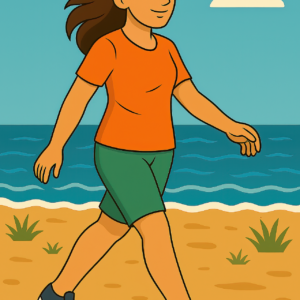
To set your clock correctly, you need to view natural sunlight within 30 to 60 minutes of waking. This triggers a timed release of cortisol, which acts as a wake-up signal for your entire body. More importantly, it sets a timer for the release of melatonin, the sleep hormone, about 14 to 16 hours later.
How to do it correctly:
-
- Go outside: Window glass filters out the specific blue-yellow light waves required to trigger the SCN.
- Don’t worry about the clouds: Even on a gray day, the light intensity (lux) is significantly higher than any indoor bulb.
- Duration matters: 5–10 minutes on a clear day; 20–30 minutes on an overcast day.
Sportiemade Pro Tip: If you are a 5:00 AM trainee and the sun isn’t up yet, use a high-intensity “SAD lamp” (10,000 lux) for 10 minutes while you prep your pre-workout. It’s the next best thing to the sun.
2. Leverage the “65-Degree Rule” for Deep Recovery
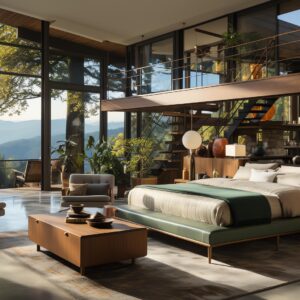
Your body temperature needs to drop by about two to three degrees Fahrenheit to initiate sleep and stay in a deep state. This is why it is much harder to fall asleep in a hot room than a cold one.
When your environment is too warm, your heart rate stays elevated as your body works to dump heat. For those focusing on longevity, a lower heart rate variability (HRV) during sleep is a primary indicator of poor recovery.
Ways to hack your temperature:
-
-
- The Warm Shower Paradox: Taking a hot bath or shower 90 minutes before bed actually cools you down. It draws the blood to the surface of your skin (vasodilation), which then allows your core temperature to plummet once you step out.
- The Sock Secret: It sounds counterintuitive, but wearing socks to bed can help you fall asleep faster. By warming your feet, you dilate the blood vessels there, which helps the rest of your body dump heat more efficiently.
-
3. The 10-3-2-1-0 Formula for Performance Sleep
This is a framework we often recommend at Sportiemade for those who struggle with “Racing Brain Syndrome” at night.
-
-
- 10 hours before bed: No more caffeine. It takes this long for the stimulant to clear your system.
- 3 hours before bed: No more food or alcohol. Digestion is a metabolic process that creates heat the enemy of deep sleep.
- 2 hours before bed: No more work. Switch from “doing” mode to “being” mode.
- 1 hour before bed: No more screens. Blue light inhibits melatonin, but the content of the screen (emails, news, social media) keeps your dopamine high.
- 0: The number of times you will hit the snooze button in the morning.
-
Common Misconception: “The Nightcap”
Many people believe a glass of wine helps them sleep. While alcohol is a sedative and may help you fall asleep faster, it is a “sleep thief.” It fragments your sleep architecture and almost entirely eliminates REM sleep, which is essential for emotional processing and memory consolidation.
4. Optimize Your Magnesium Intake
Magnesium is involved in over 300 enzymatic reactions in the body, including the regulation of neurotransmitters that “calm” the nervous system, such as GABA.
Most athletes are deficient in magnesium because it is lost through sweat. Adding a high-quality magnesium supplement can be a game-changer for sleep quality. However, the type of magnesium matters.
|
Magnesium Type |
Primary Benefit |
Best Time to Take |
|---|---|---|
|
Magnesium Glycinate |
High bioavailability; promotes relaxation and sleep quality. |
30–60 mins before bed. |
|
Magnesium Citrate |
Often used for digestion; can have a laxative effect. |
With a meal. |
|
Magnesium L-Threonate |
Can cross the blood-brain barrier; good for cognitive function. |
Morning or evening. |
|
Magnesium Malate |
Best for energy levels and muscle aches. |
Morning. |
5. Implement a “Digital Sunset”
We often talk about what to add to our lives to sleep better, but sleep is frequently about what we remove.
A “Digital Sunset” isn’t just about the blue light from your phone. It is about the psychological “crossover” from a high-beta wave state (active, stressed, analytical) to an alpha or theta wave state (relaxed, creative, drowsy).
How to build a “Sportiemade” evening routine:
- Dim the overhead lights: Switch to floor lamps or amber-toned bulbs after 8:00 PM.
- The Brain Dump: Write down the five most important things you need to do tomorrow. This “offloads” the cognitive burden from your brain so it doesn’t try to remember them at 2:00 AM.
- Non-Sleep Deep Rest (NSDR): Also known as Yoga Nidra. Practicing a 10-minute guided NSDR session can significantly lower your nervous system’s arousal level.
People Also Ask: Common Sleep Questions
Does exercise late at night ruin sleep?
Not necessarily. While a high-intensity intervals (HIIT) session at 9:00 PM might keep you awake due to elevated core temperature and adrenaline, moderate exercise can actually improve sleep. If you must train late, ensure you take a cold shower afterward to help bring your core temperature back down.
How much sleep do I actually need for muscle growth?
For those focused on hypertrophy or athletic recovery, the Mayo Clinic suggests 7 to 9 hours. However, during periods of heavy training, “Sleep Extension” (9+ hours) has been shown to improve split-second decision-making and physical accuracy.
Can I “catch up” on sleep over the weekend?
The short answer is no. While you can resolve some “sleepiness,” you cannot undo the inflammatory markers or the metabolic disruption caused by a week of poor sleep. Consistency in your wake-up time is more important than the occasional long lie-in.
The Path to Better Recovery
Improving your sleep quality is the single most effective thing you can do for your longevity. It isn’t about being perfect; it is about creating an environment where sleep is inevitable rather than a struggle.
Start by picking just one of these habits perhaps the morning sunlight or the cool room and stick to it for seven days. Your body (and your PRs) will thank you.
Looking to learn why habit stacking is more effective for athletes over 40? Check it out here.