The Science of Sleep: Building a Calm Evening Wind-Down Routine
We have all been there. You are exhausted. Your body feels heavy from a long day of work or a tough home workout. You crawl into bed, ready to pass out, but the moment your head hits the pillow, your brain decides it’s the perfect time to review every email you forgot to send.
This is the “tired but wired” phenomenon, and it kills your recovery.
At Sportiemade, we talk a lot about discipline in your workouts. But true longevity the kind that keeps you active and healthy well into your 40s, 50s, and beyond relies just as much on how you prepare for rest. If you treat sleep as an afterthought, you are missing the most important window for muscle repair and hormonal balance.
Creating a calm evening wind-down routine isn’t about lighting scented candles (unless you want to). It is a physiological necessity to shift your nervous system from “fight or flight” to “rest and digest.”
Here is how to build a routine that actually works.
What is an Evening Wind-Down Routine?
An evening wind-down routine is a structured sequence of habits performed 30 to 60 minutes before sleep to signal the brain that the day is over. By systematically reducing sensory input, lowering body temperature, and engaging in relaxation techniques, this routine transitions the autonomic nervous system from sympathetic engagement to parasympathetic recovery, significantly reducing sleep latency (the time it takes to fall asleep).
Why It Matters: The Biology of the “Off Switch”
Your body runs on a circadian rhythm an internal 24-hour clock regulated largely by light and temperature. For most of human history, the setting sun was the only cue we needed to wind down.
Today, we are bombarded with artificial light, late-night emails, and high-stimulation entertainment. This confuses your biological clock. It suppresses melatonin (the sleep hormone) and keeps cortisol (the stress hormone) elevated when it should be bottoming out.
If you don’t manually flip the switch, your body stays in a state of hyper-arousal. For the athlete or the busy professional, this means:
- Slower muscle recovery.
- Increased inflammation.
- Poor cognitive function the next day.
Science-Backed Benefits of a Routine
Implementing a consistent buffer zone before bed does more than just help you fall asleep.
-
- Optimized Growth Hormone Release: The majority of Human Growth Hormone (HGH) is released during the first phase of deep sleep. A solid routine ensures you get there faster.
- Cortisol Regulation: High cortisol at night leads to fragmented sleep. A routine helps flatline these levels.
- Stabilized Blood Sugar: Poor sleep creates insulin resistance. Proper rest improves metabolic health.
- Mental “Tab Closing”: Psychological detachment from work reduces anxiety, allowing the brain to enter restorative states quicker.
Note: According to the National Institutes of Health (NIH), consistent sleep hygiene practices are as effective as medication for treating mild to moderate insomnia.
The “Crash” vs. The “Glide”: A Comparison
Many people think passing out from exhaustion is the same as sleeping. It isn’t. Here is the difference between crashing and a structured wind-down.
|
Feature |
The “Crash” Strategy |
The “Glide” (Wind-Down Routine) |
|---|---|---|
|
Preparation |
None. Work/TV until eyes close. |
45-minute intentional buffer. |
|
Heart Rate |
Remains elevated initially. |
Gradually lowers before bed. |
|
Sleep Quality |
Fragmented; light sleep dominance. |
Higher percentage of Deep/REM sleep. |
|
Morning Feel |
Groggy, reaching for caffeine. |
Alert, naturally energized. |
|
Long-term |
Chronic fatigue, burnout risk. |
Sustainable energy, better longevity. |
Step-by-Step: Building Your Routine
You don’t need two hours. You need a focused 45-minute window. Here is a practical, scalable protocol you can start tonight.
1. The Digital Sunset (45 Minutes Before Bed)
Light is the primary zeitgeber (time-giver) for your brain. Blue light from phones and laptops mimics the noon sun.
- The Action: Set a hard stop for screens. If you must use a device, use “Night Shift” modes or amber-tinted glasses.
- The Goal: Allow melatonin production to begin naturally.
2. The Brain Dump (30 Minutes Before Bed)
Anxiety often stems from open loops tasks you are afraid you’ll forget.
- The Action: Take a physical notebook. Write down the 3 top priorities for tomorrow.
- The Goal: This outsources the worry from your working memory to the paper. You are “closing the tabs” in your brain.
3. Thermal Regulation (20 Minutes Before Bed)
Your core body temperature needs to drop by about 2-3 degrees Fahrenheit to initiate sleep.
- The Action: Keep your bedroom cool (around 65-68°F / 18-20°C). Alternatively, take a warm shower. When you step out of the warm water into cool air, your body heat dumps rapidly, mimicking the natural sleep onset signal.
4. Physical Decompression (10 Minutes Before Bed)
You aren’t trying to gain flexibility here; you are trying to release tension.
- The Action: Spend 5-10 minutes doing static stretching or light foam rolling. Focus on the hips and upper back, where we hold stress.
- Sportiemade Recommendation: Try “Legs Up the Wall” pose for 5 minutes. It is incredible for nervous system regulation.
- [Related Home Workout Guide for Flexibility]
5. The 4-7-8 Breath (In Bed)
Once you are under the covers, use breathwork to signal safety to your body.
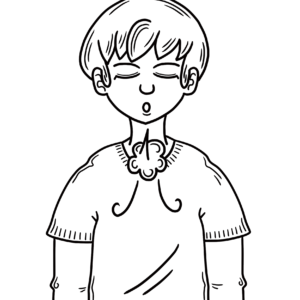
- The Action: Inhale through the nose for 4 seconds. Hold for 7 seconds. Exhale slowly through the mouth for 8 seconds. Repeat 4 times.
Information Gap: The “Adenosine” Factor
Most articles discuss melatonin, but few mention Adenosine. This is a chemical that builds up in your brain throughout the day, creating “sleep pressure.”
Caffeine blocks adenosine receptors. If you drink coffee at 4:00 PM, that caffeine is still blocking those receptors at 10:00 PM, even if you feel tired. Your wind-down routine cannot outwork poor caffeine timing. To make your evening routine work, your morning habits matter too. Cut caffeine 10 hours before your target bedtime.
Sportiemade Pro Tip: The Magnesium Reset
We are big fans of smart supplementation for longevity.
Consider taking Magnesium Glycinate or Magnesium Threonate about 30 minutes before bed. Unlike other sleep aids that sedate you, Magnesium helps physically relax the muscles and calm the nervous system without the morning grogginess.
(Always check with your doctor, but this is a staple in many athlete protocols.)
Common Myths & Mistakes
Myth: Alcohol helps you sleep.
Truth: Alcohol is a sedative, not a sleep aid. It knocks you out (loss of consciousness) but destroys your sleep architecture. It significantly reduces REM sleep, which is critical for emotional regulation and memory.
Myth: You can “catch up” on weekends.
Truth: You cannot bank sleep. While you might feel slightly better, irregular sleep times disrupt your circadian rhythm, creating “social jetlag” that affects your metabolism all week.
Mistake: Exercising too late.
High-intensity interval training (HIIT) within 2 hours of bed can raise your core temperature too high. If you must train late, stick to steady-state cardio or strength training with longer rest periods.
[Healthy Living Resource Page – Balancing Training & Recovery]
FAQs: Mastering Your Evening
How long should a wind-down routine be?
Ideally, 30 to 60 minutes. However, consistency matters more than duration. Even a focused 15-minute routine of “no phone + stretching” is better than nothing.
Does reading on a Kindle or tablet count as blue light?
Yes, but to a lesser degree than a phone. E-ink readers (non-backlit) are best. If you use a tablet, ensure the brightness is at the absolute minimum and the “warm” light filter is maxed out.
What is the 10-3-2-1-0 rule for sleep?
This is a popular framework for productivity and rest:
- 10 hours before bed: No more caffeine.
- 3 hours before bed: No more food/alcohol.
- 2 hours before bed: No more work.
- 1 hour before bed: No more screens.
- 0: The number of times you hit snooze in the morning.
Can I listen to podcasts while winding down?
Yes, but choose wisely. Avoid high-energy news, true crime, or intense debates. Opt for fiction, history, or specific “sleep stories” that don’t trigger alertness.
Start Tonight
We often obsess over the hour we spend working out, but we neglect the eight hours we spend recovering. That math doesn’t add up.
If you want to perform better whether that’s hitting a PR in your living room workout or leading a meeting at the office it starts the night before.
Don’t try to change everything at once. Pick two things from the list above. Maybe it’s the “Brain Dump” and the “Digital Sunset.” Try them for three nights in a row. You will likely find that you aren’t just sleeping longer; you are waking up ready to attack the day.
Rest is not the absence of work. It is the fuel for it.
Medical Disclaimer: This article is for educational purposes only and does not replace professional medical advice. Consult your healthcare provider before starting any new health routine, especially if you have chronic insomnia or sleep apnea.
Selected Sources
- National Institutes of Health (NIH) – Circadian Rhythms
- Mayo Clinic – Sleep Hygiene Tips
- Walker, M. (2017). Why We Sleep: Unlocking the Power of Sleep and Dreams.
- PubMed: The effects of blue light on melatonin secretion.