Metabolism- 10 Refreshing Ways to Boost Your Energy Without Caffeine
It’s 2:37 PM. Your focus is gone, your posture is collapsing, and your third coffee is already cooling on the desk. You don’t need more caffeine you need a better system.
Energy isn’t just about stimulation. It’s about cellular efficiency, blood flow, nervous system balance, and metabolic flexibility. Coffee masks fatigue. It doesn’t fix it.
Let’s fix it.
What Is Natural Energy Optimization?
Natural energy optimization is the process of improving your body’s ability to produce and sustain energy without stimulants.
It relies on three core mechanisms:
- Mitochondrial efficiency (how well your cells generate ATP)
- Nervous system regulation (balancing stress vs recovery states)
- Metabolic stability (steady glucose and fat utilization)
Dial these in, and your baseline energy rises. No crash. No dependency.
The Sportiemade Power Table
| Method | Primary Benefit | Effort Level |
|---|---|---|
| Morning light exposure | Resets circadian rhythm, boosts cortisol timing | Low |
| Nasal breathing drills | Improves oxygen efficiency, calms CNS | Low |
| Zone 2 movement | Enhances mitochondrial density | Medium |
| Cold water exposure | Stimulates norepinephrine release | Medium |
| Protein-first meals | Stabilizes blood sugar | Low |
| Hydration + electrolytes | Improves cellular function | Low |
| Mobility flows | Increases circulation | Low |
| Strategic napping | Restores cognitive output | Medium |
| Contrast showers | Boosts circulation + recovery | Medium |
| Mental unloading | Reduces cognitive fatigue | Low |
1. Get 10 Minutes of Morning Light (Before Screens)
Your brain runs on light cues. Not motivation.
Morning sunlight hits retinal ganglion cells, signaling your suprachiasmatic nucleus the body’s master clock. That triggers a controlled cortisol rise. Not stress cortisol. Wake-up cortisol.
Miss this window, and your rhythm drifts. Energy dips follow.
No-Equipment Alternative:
Stand by an open window if you’re in a high-rise. Even indirect light helps.
2. Fix Your Breathing Before You Fix Your Diet
Most adults breathe too fast and too shallow. That drops CO₂ tolerance, which reduces oxygen delivery at the tissue level (Bohr effect).
More breathing ≠ more oxygen.
Slower breathing = better oxygen use.
Try this:
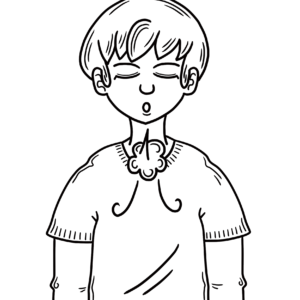
- Inhale through nose for 4 seconds
- Exhale for 6–8 seconds
- Repeat for 3 minutes
You’ll feel the shift.
Living Room Modification:
Lie on your back, feet on a chair, one hand on chest, one on belly. Only the belly should rise.
3. Zone 2 Cardio: The Energy System Builder
This is where most people go wrong. They chase intensity when they need capacity.
Zone 2 training sits just below your lactate threshold. You can talk, but not sing.
Why it matters:
- Increases mitochondrial density
- Improves FATmax (fat-burning efficiency)
- Enhances glycogen sparing
- Lowers resting heart rate
Translation: more usable energy, all day.
No-Equipment Alternative:
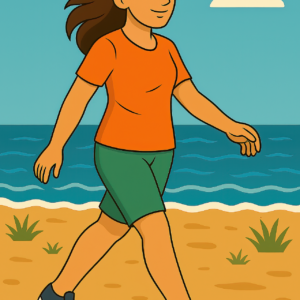
Brisk walking in your living room during calls. Pace. Don’t stroll.
4. Cold Water: A Controlled Stressor That Works
A 30–60 second cold exposure spikes norepinephrine by up to 200–300%. That sharpens focus and elevates mood.
Short. Controlled. Repeatable.
This isn’t about toughness. It’s about nervous system training.
Living Room Modification:
Cold face immersion in a bowl of water. Same neural trigger, less friction.
5. Eat Protein First, Not Last
Start meals with protein. Not carbs.
Why? Protein slows gastric emptying and stabilizes blood glucose. That prevents the spike-and-crash cycle.
Aim for:
- 25–40g per meal
- Whole sources: eggs, fish, lean meat, Greek yogurt
Energy stability beats quick spikes.
No-Equipment Alternative:
Keep boiled eggs or protein shakes ready. Remove decision fatigue.
6. Hydrate Like It Matters (Because It Does)
Even 1–2% dehydration reduces cognitive performance and increases fatigue.
Water alone isn’t enough.
You need:
- Sodium
- Potassium
- Magnesium
Cells run on gradients. Electrolytes maintain them.
Living Room Modification:
Add a pinch of salt and squeeze of lemon to your water. Simple. Effective.
7. Move Every 45 Minutes (Micro-Doses Win)
Sedentary behavior slows blood flow and reduces oxygen delivery. That’s not laziness. That’s physiology.
Short movement breaks:
- Improve glucose control
- Boost circulation
- Reset posture
No-Equipment Alternative:
10 squats + 10 arm circles + 10 deep breaths. Done in 90 seconds.
8. Strategic Naps (Done Right)
A 10–20 minute nap improves alertness without sleep inertia.
Longer naps? Risky. You wake up groggy.
Timing matters:
- Before 3 PM
- Dark room
- Set a timer
Living Room Modification:
Couch + eye mask + phone alarm. No excuses.
9. Contrast Showers for Circulation
Hot expands blood vessels. Cold constricts them.
Switching between the two acts like a pump for your circulatory system.
Protocol:
- 2 min hot
- 30 sec cold
- Repeat 3–4 rounds
You’ll feel awake. Fast.
No-Equipment Alternative:
Alternate hot/cold water on just your legs or arms if full shower isn’t practical.
10. Clear Mental Clutter (Your Hidden Energy Leak)
Mental fatigue drains energy faster than physical work.
Open loops unfinished tasks consume cognitive bandwidth.
Fix:
- Write everything down
- Prioritize 3 tasks
- Ignore the rest
Energy follows clarity.
Living Room Modification:
Whiteboard or notebook. Visible. Daily use.
The Anatomy of a Mistake: Why Your Current Approach Might Fail
You’re chasing stimulation instead of production.
Caffeine works by blocking adenosine receptors. It doesn’t create energy. It hides fatigue signals.
That leads to:
- Sleep disruption
- Increased tolerance
- Energy crashes
Worse, it trains you to ignore biological feedback.
A better model? Build energy capacity at the cellular level.
What the Research Actually Says
Recent studies are shifting the conversation.
A 2023 review in Cell Metabolism highlighted that mitochondrial dysfunction not lack of motivation is a primary driver of chronic fatigue.
Another 2024 randomized trial found that low-intensity aerobic training improved energy levels more sustainably than high-intensity intervals in previously sedentary adults.
Cold exposure research is also evolving. Short-duration exposure appears to enhance dopamine tone without the stress burden seen in prolonged exposure.
Translation:
You don’t need extremes. You need consistency.
Pro Tip:
I’ve seen people rely on caffeine when their breathing is the real issue. Try this quick reset: inhale through your nose, hold for 3 seconds, then slow exhale twice as long. Do it five times. If your shoulders drop, you just turned your nervous system down and your energy up.
The System That Actually Works
Stack these habits:
Morning:
- Light exposure
- Hydration + electrolytes
Midday:
- Protein-first meals
- Movement breaks
Afternoon:
- Zone 2 or short walk
- Optional nap
Evening:
- Light mobility
- Reduced stimulation
No hacks. Just repeatable inputs.
[Healthy living resource page]
Interactive FAQ (Schema-Ready)
1. Can I boost energy without caffeine if I sleep poorly?
Yes, but results will be limited. Sleep debt reduces mitochondrial efficiency and hormonal balance. Fix sleep first for long-term gains.
2. Is cold exposure safe for people over 40?
Generally yes, if introduced gradually. Those with cardiovascular conditions should consult a physician before starting.
3. How quickly will I notice changes?
Some methods (breathing, cold exposure) work within minutes. Metabolic adaptations like Zone 2 training take 4–6 weeks.
4. Can I do Zone 2 cardio at home without equipment?
Yes. Brisk walking, stair climbing, or step-ups can reach Zone 2 if intensity is consistent.
5. Will reducing caffeine hurt my productivity?
Short term, possibly. Long term, most people report steadier energy and fewer crashes once dependence drops.
Final Word
Still on metabolism, energy isn’t something you chase. It’s something you build.
The fastest fix is rarely the one that lasts. What works is simple, repeatable, and grounded in biology.
Start with one habit. Then stack another.
That’s how you outgrow the need for caffeine.
Disclaimer
This content is for informational purposes only and does not constitute medical advice. Consult a qualified healthcare professional before making changes to your diet, exercise, or lifestyle, especially if you have underlying health conditions.
References
- Haman F, et al. Human physiological responses to cold exposure. J Appl Physiol. 2002.
- Ganio MS, et al. Mild dehydration impairs cognitive performance. J Nutr. 2011.
- Brooks A, Lack L. A brief afternoon nap following nocturnal sleep restriction. Sleep. 2006.
- Picard M, et al. Mitochondrial psychobiology. Cell Metabolism. 2023.
- Murias JM, et al. Effects of aerobic training intensity on fatigue. Med Sci Sports Exerc. 2024.
- Huberman A, et al. Effects of deliberate cold exposure on catecholamines. Eur J Appl Physiol. 2022.