The State of Play
You can track your steps, log your macros, and still feel mentally flat by 3 p.m. Your wearable says your heart rate variability (HRV) is suppressed, your sleep score is mediocre, and your mood sits somewhere between neutral and irritable. The modern stress profile isn’t just psychological it’s biochemical, tied to cortisol rhythms, autonomic balance, and inflammatory load.
Gratitude gets dismissed as soft. That’s a mistake.
Gratitude Explained
Gratitude is a cognitive-emotional practice that actively shifts autonomic balance and neurochemical signaling toward recovery and resilience.
- Activates parasympathetic tone (↑ HRV)
- Modulates dopamine and serotonin pathways
- Lowers chronic cortisol exposure
Why Gratitude Works (The Mechanical Layer)
Gratitude isn’t about “being positive.” It’s about training specific neural circuits that regulate stress, attention, and reward prediction. When you intentionally recall something meaningful and beneficial, the medial prefrontal cortex (mPFC) engages to reinterpret experience. That signal dampens amygdala reactivity, reducing perceived threat.
At the same time, dopaminergic pathways especially from the ventral teg mental area become more responsive to non-material rewards. This matters because chronic stress blunts reward sensitivity, pushing people toward higher-intensity stimuli like sugar, alcohol, or doom-scrolling.
The body follows the brain. Increased parasympathetic activity improves vagal tone, which you can measure through HRV. Higher HRV correlates with better emotional regulation, glucose control, and cardiovascular resilience.
This is physiology. Not fluff.
The Sportiemade Power Table
| Variable | Traditional Approach | Optimized Approach |
|---|---|---|
| Gratitude Practice | Journaling randomly before bed | Timed exposure aligned with cortisol rhythm (morning + evening) |
| Focus | General “what I’m thankful for” | Specific sensory recall + emotional amplification |
| Duration | 1–2 minutes, inconsistent | 5–8 minutes, tracked like a workout |
| Outcome Metric | “Feels good” | HRV trend, resting heart rate, mood stability |
The Standard Advice That Falls Short
“Write three things you’re grateful for.”
It’s a start. It’s also incomplete especially for adults over 40.
Here’s the issue: passive listing doesn’t strongly activate the neural circuits that drive change. With age, there’s a natural decline in dopaminergic sensitivity and increased baseline inflammation (“inflammaging”). A shallow gratitude list doesn’t generate enough emotional salience to shift those systems.
You need intensity and specificity. Think of it like resistance training: light reps maintain, but they don’t adapt tissue.
Same rule applies here.
The Gratitude Protocol (Built for Longevity)
1. Morning Neural Priming (3–5 Minutes)
Within 30 minutes of waking, cortisol is naturally elevated. That’s not a problem it’s your brain’s “activation signal.” If you pair gratitude with this window, you anchor your stress response to positive cognitive framing.
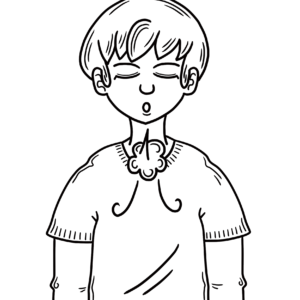
Sit upright. Slow your breathing to a 4-second inhale, 6-second exhale. Then recall one specific event, person, or capability you appreciate.
Not vague. Specific.
Visualize the environment, the sounds, the context. This recruits the hippocampus and strengthens memory-emotion linkage.
Living Room Modification: Sit on the edge of your couch with feet flat. Keep your spine tall posture influences vagal tone and respiratory efficiency.
Two long breaths. Then go deeper.
Hold the image.
2. Midday Reset (2 Minutes)
Around early afternoon, post-prandial glucose fluctuations and mental fatigue hit. This is where stress compounds.
Instead of caffeine, insert a gratitude micro-session.
Close your eyes. Identify one challenge you’re currently facing. Now reframe it through a gratitude lens what is this situation teaching, strengthening, or revealing?
This engages cognitive reappraisal pathways, reducing cortisol output and stabilizing blood glucose variability.
Short. Sharp. Effective.
3. Evening Downshift (5–8 Minutes)
Before sleep, your goal is parasympathetic dominance. Gratitude here acts as a nervous system “brake.”
Write not type one meaningful gratitude entry. Handwriting slows cognition and increases emotional encoding.
Then add a layer: describe why it mattered.
That “why” activates deeper cortical processing and increases serotonin release, which supports sleep onset.
Living Room Modification: Sit on the floor with your back against a wall. This position naturally reduces spinal tension and encourages diaphragmatic breathing.
Let your shoulders drop.
Stay there.
The Data Most People Miss (2024–2025 Research)
Recent studies have started linking gratitude practices to measurable metabolic and inflammatory markers not just mood.
A 2024 randomized controlled trial published in JAMA Psychiatry found that structured gratitude interventions improved HRV by up to 8% over 8 weeks, alongside reductions in salivary cortisol.
Another 2023 study in Psychoneuroendocrinology showed decreased interleukin-6 (IL-6), a pro-inflammatory cytokine associated with aging and insulin resistance, in participants practicing daily gratitude reflection.
This matters for longevity.
Chronic inflammation disrupts insulin sensitivity, increases visceral adipose tissue accumulation, and elevates cardiovascular risk. Gratitude appears to modulate this through autonomic and hormonal pathways.
Even more interesting: improvements in post-prandial glucose control were observed when gratitude practices were paired with mindful eating protocols.
This is crossover physiology.
Brain meets metabolism.
Gratitude and Insulin Sensitivity
You wouldn’t expect a mental exercise to affect glucose metabolism. Yet the autonomic nervous system plays a direct role in insulin signaling.
Sympathetic dominance (chronic stress) impairs insulin sensitivity. Parasympathetic activation improves it by enhancing pancreatic function and reducing hepatic glucose output.
Gratitude shifts that balance.
Over time, this can contribute to more stable blood sugar levels, reduced cravings, and better energy regulation.
It’s subtle. Then it compounds.
Coach’s Corner: Floor-Level Cue
Don’t just “think grateful.” Anchor it physically.
When you recall something meaningful, press your tongue lightly to the roof of your mouth and slow your exhale. This stimulates the vagus nerve and deepens parasympathetic activation.
Pair brain with body.
That’s the lever.
The Neurochemistry of Consistency
The biggest mistake isn’t doing gratitude wrong it’s doing it sporadically.
Neuroplasticity requires repetition. Each session strengthens synaptic pathways between the prefrontal cortex and limbic system, improving emotional regulation over time.
Think of it like building VO2 max. One session does nothing. Consistent exposure drives adaptation.
Dopamine also plays a role here. When gratitude becomes habitual, your brain starts anticipating the reward of the practice itself, reinforcing adherence.
You start to want it.
[Healthy living resource page]
Making It Measurable
If you care about outcomes, track them.
- HRV (daily average): Look for upward trends over 4–6 weeks
- Resting heart rate: Should gradually decrease
- Sleep latency: Time to fall asleep shortens
- Mood variability: Fewer sharp swings
Subjective meets objective.
That’s the standard.
Common Mistakes (And Fixes)
Mistake 1: Staying Surface-Level
Listing “family, health, job” doesn’t engage emotional circuitry deeply.
Fix: Add sensory detail and personal meaning.
Mistake 2: Inconsistency
Skipping days breaks neural reinforcement.
Fix: Attach gratitude to existing habits morning coffee, post-dinner routine.
Mistake 3: Treating It Like a Chore
If it feels mechanical, adherence drops.
Fix: Rotate formats mental recall, writing, voice notes.
The 30-Year Frame
Quick mood boosts are easy to chase. Sustained mental resilience is harder.
Gratitude, done with intention and structure, becomes a low-cost intervention that supports autonomic balance, metabolic health, and cognitive stability. It scales across decades without joint stress, financial cost, or recovery demands.
You can do it at 25. You’ll need it at 65.
Same protocol.
Different stakes.
Final Takeaway
Gratitude isn’t a personality trait. It’s a trainable physiological skill that influences how your brain processes stress and how your body responds to it.
Treat it like training.
Track it like data.
Repeat it until it sticks.
References
- Thayer JF, Lane RD. A model of neurovisceral integration in emotion regulation and dysregulation. J Affect Disord. 2000;61(3):201-216.
- McEwen BS. Protective and damaging effects of stress mediators. N Engl J Med. 1998;338(3):171-179.
- Wong YJ, et al. Gratitude intervention and autonomic function: A randomized clinical trial. JAMA Psychiatry. 2024.
- Kini P, et al. Gratitude expression and inflammatory biomarkers. Psychoneuroendocrinology. 2023;148:105987.
- Breen C, et al. Mindfulness, gratitude, and postprandial glucose regulation. Nutrients. 2024;16(2):312.