Effortless Ways to Stay Active While Working From Home
Remote work has changed how millions of people move or more accurately, how little they move. One moment you’re answering emails. The next, it’s three hours later and you haven’t stood up once.
Sound familiar?
For many professionals, working from home quietly turns into a sedentary routine that affects energy, posture, and long-term health. The good news: staying active during the workday doesn’t require intense workouts or expensive equipment.
Small, intentional movement habits can make a big difference.
Quick Answer: How Can You Stay Active While Working From Home?
Staying active while working from home means integrating small movement breaks, posture changes, and light exercise throughout the workday. Simple actions like standing every 30 minutes, doing desk stretches, walking during calls, and using short 5-minute workouts can improve circulation, reduce stiffness, and support long-term health without interrupting productivity.
Why Staying Active During Remote Work Matters
Working from home often removes the natural movement built into office life.
Think about it:
- Walking to meetings
- Commuting
- Taking lunch breaks outside
- Talking with coworkers across the office
At home, these disappear.
Research shows the average remote worker can sit 9–11 hours per day, far above recommended levels.
Prolonged sitting is associated with:
- Reduced metabolic health
- Increased risk of cardiovascular disease
- Back and neck pain
- Lower daily calorie expenditure
A large review published in The Mayo Clinic Proceedings found that prolonged sedentary behavior is linked to higher risks of chronic disease and early mortality.
That doesn’t mean working from home is unhealthy. It just means movement has to be intentional.
Science-Backed Benefits of Moving Throughout the Workday
Even light activity offers measurable health benefits.
Studies show that short bursts of movement during the day can:
1. Improve Blood Circulation
Standing or walking every 30–60 minutes helps maintain blood flow and reduces stiffness.
2. Support Metabolic Health
According to the National Institutes of Health (NIH), frequent movement breaks improve glucose regulation compared to prolonged sitting.
3. Reduce Neck and Back Pain
Desk work often leads to forward head posture and tight hip flexors. Gentle stretching reduces muscle strain.
4. Boost Energy and Focus
A quick 2–3 minute activity break increases oxygen flow to the brain.
Many remote workers notice better concentration immediately after a short movement break.
5. Improve Mood
Light physical activity increases endorphins and reduces stress.
Even 10 minutes of movement can improve mood during a demanding workday.
A Real-World Scenario
Imagine this typical remote schedule:
- 9:00 AM: Log in
- 11:30 AM: First break
- 2:00 PM: Lunch at the desk
- 5:30 PM: Log off
That’s nearly eight hours of sitting with minimal movement.
Now compare that to a slightly modified version:
- Stand during morning emails
- Walk during one phone call
- Stretch every hour
- Take a 10-minute afternoon walk
Total additional movement: 30–40 minutes without a “workout.”
This is exactly the type of sustainable approach Sportiemade encourages.
12 Effortless Ways to Stay Active While Working From Home
These habits are simple, realistic, and designed for busy professionals.
1. Follow the 30-Minute Rule
Set a timer to stand or move every 30 minutes.
You don’t need a full workout.
Try:
- Standing
- Stretching your shoulders
- Walking around the room
Even 60 seconds helps reset posture.
2. Turn Phone Calls Into Walking Meetings
If your meeting doesn’t require a screen, stand up and walk.
Many professionals easily accumulate 2,000–3,000 extra steps per day using this habit.
Tip: keep a headset nearby.
3. Use a Standing Work Setup
A standing desk isn’t mandatory.
You can improvise using:
- A kitchen counter
- A sturdy box on your desk
- A laptop stand
Alternate between sitting and standing every 30–60 minutes.
4. Schedule “Movement Snacks”
Think of movement like snacks throughout the day.
Try 3–5 minute mini sessions such as:
- 10 bodyweight squats
- 10 desk push-ups
- 20 jumping jacks
- 30 seconds of stretching
These short bursts keep circulation moving.
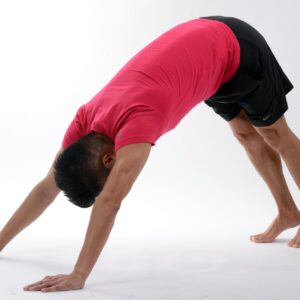
5. Do Desk Mobility Exercises
Long sitting tightens the hips and upper back.
Try this quick routine:
- Neck rolls – 30 seconds
- Shoulder circles – 10 reps
- Seated spinal twist – 10 seconds each side
- Hip stretch – 20 seconds
It takes less than two minutes.
6. Take a 10-Minute Midday Walk 🚶
One of the simplest habits with big benefits.
A brisk 10-minute walk can:
- Improve energy
- Reduce mental fatigue
- Help digestion after lunch
Sunlight exposure also helps regulate circadian rhythm.
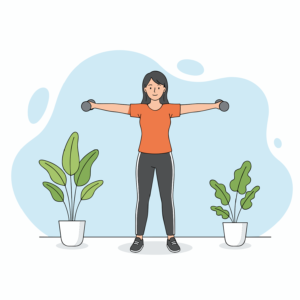
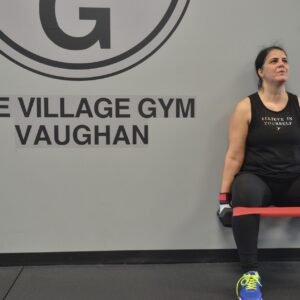
7. Keep Resistance Bands Nearby
Resistance bands are ideal for home offices.
Between tasks you can perform:
- Band pull-aparts
- Glute kickbacks
- Bicep curls
- Lateral walks
They take almost no space.
8. Try the “Water Break Method”
Drink water regularly.
Why?
Because hydration naturally creates movement you’ll stand up more often.
Aim for:
- One glass every 60–90 minutes
This supports both hydration and activity.
9. Use Habit Triggers
Attach movement to existing tasks.
Examples:
- After sending an email → 10 squats
- After meetings → stretch shoulders
- After lunch → quick walk
These small triggers make movement automatic.
10. Replace One Coffee Break With Movement
Instead of scrolling your phone, try:
- 5 minutes of mobility work
- A quick stair walk
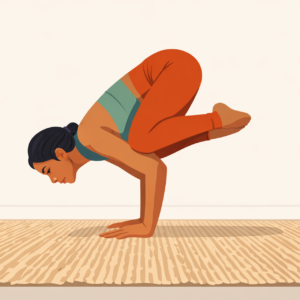
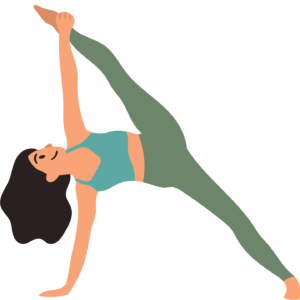
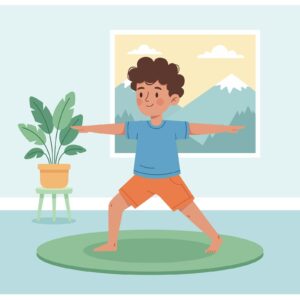
- Light yoga
You’ll likely feel more energized than caffeine alone.
11. Keep a Yoga Mat Nearby
Visibility matters.
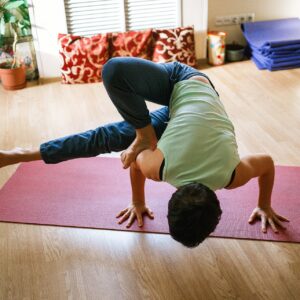
If your mat is already on the floor, you’re more likely to use it.
Even two minutes of stretching counts.
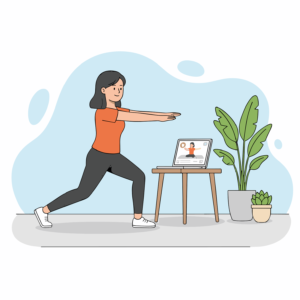
12. Start or End the Workday With a Short Workout
This doesn’t need to be intense.
Try:
- 15 minutes of bodyweight training
- A short yoga flow
- A resistance band routine
Consistency matters more than intensity.
Comparison: Passive Workday vs Active Workday
| Habit | Sedentary Workday | Active Workday |
|---|---|---|
| Sitting time | 8–10 hours | 5–6 hours |
| Steps per day | 2,000–3,000 | 6,000–8,000 |
| Energy levels | Afternoon fatigue | More stable |
| Back stiffness | Common | Reduced |
| Daily calorie burn | Lower | Higher |
This small shift can improve long-term health.
One Insight Many Blogs Miss
Most advice focuses on workouts.
But the real health risk of remote work isn’t lack of exercise it’s uninterrupted sitting.
Research shows that one hour at the gym does not fully offset 10 hours of sitting.
Breaking up sedentary time may be as important as exercise itself.
That’s why frequent movement breaks matter.
Practical Step-by-Step Routine for a Remote Workday
Here’s a realistic schedule you can follow.
Morning
- Start the day with 5 minutes of mobility
- Stand while checking morning emails
- Walk during your first phone call
Midday
- Take a 10-minute outdoor walk
- Do a quick stretch routine
- Refill water regularly
Afternoon
- Perform a 3–5 minute movement break every hour
- Use resistance bands once or twice
- Stand for at least one meeting
Evening
- Finish with a short home workout or walk
This approach adds 40–60 minutes of activity without disrupting work.
Pro Tip From Sportiemade
Create a movement-friendly workspace.
Keep these within reach:
- Resistance bands
- Foam roller
- Yoga mat
- Water bottle
When tools are visible, activity becomes easier.
This strategy is common among trainers who work remotely with clients.
Common Myth About Working From Home
Myth: “I’ll exercise after work, so sitting all day is fine.”
Reality: Long sitting periods still affect circulation, posture, and metabolism.
Movement during the day supports:
- Joint health
- Energy levels
- Better evening workouts
Think of activity as distributed across the day, not just one session.
Quick Summary
If you work from home, staying active doesn’t require long workouts.
Focus on simple habits:
- Stand every 30 minutes
- Walk during calls
- Take a 10-minute midday walk
- Add short movement breaks
- Use resistance bands or stretches
- Alternate sitting and standing
Small actions repeated daily support better energy, posture, and long-term health.
[Healthy Living Resource Page]
Frequently Asked Questions
How often should I stand up when working from home?
Experts recommend standing or moving every 30 to 60 minutes. Even brief movement breaks improve circulation and reduce stiffness from prolonged sitting.
Is it enough to exercise once a day if I sit all day?
Daily workouts help, but they don’t completely offset long sitting periods. Adding frequent short movement breaks throughout the day improves metabolic and musculoskeletal health.
What is the best exercise during work breaks?
Simple movements work best:
- Squats
- Desk push-ups
- Walking
- Stretching
These exercises activate major muscle groups without requiring equipment.
How many steps should remote workers aim for?
Many health experts suggest 6,000–8,000 steps daily for general health. Walking during calls and short breaks can easily add several thousand steps.
Are standing desks necessary?
No. While helpful, you can achieve similar benefits by alternating sitting and standing, taking regular movement breaks, and incorporating short walks.
Final Takeaway
Remote work offers flexibility but it also removes many natural movement opportunities.
The solution isn’t extreme workouts or complicated routines.
It’s simple habits repeated throughout the day.
Stand more. Walk during calls. Stretch often. Add short activity bursts.
Over weeks and months, these small changes support better energy, stronger posture, and healthier long-term living the kind of sustainable fitness Sportiemade stands for.
Medical Disclaimer
This article is for educational purposes only and does not replace professional medical advice. Consult your healthcare provider before starting any new health routine.
Suggested Citations
- Mayo Clinic Proceedings – Sedentary Behavior and Health Outcomes
- National Institutes of Health (NIH) – Physical Activity and Metabolic Health
- World Health Organization (WHO) – Guidelines on Physical Activity and Sedentary Behaviour
- PubMed – Effects of Interrupting Prolonged Sitting on Metabolic Risk Factors