Small Space Fitness: No-Gym Workouts That Work
What Is Small Space Fitness? (Featured Snippet Answer)
Small space fitness is a training approach that uses bodyweight exercises, minimal equipment, and smart programming to deliver full-body workouts in confined areas such as apartments, offices, or dorm rooms without the need for a gym. It focuses on efficiency, functional strength, and consistency over equipment or square footage.
The Reality: You Don’t Need More Space – You Need Better Strategy
If you’ve ever skipped a workout because your apartment felt too cramped, you’re not alone.
Between busy schedules, rising gym costs, and limited living space, many people assume fitness requires a dedicated room or expensive equipment. It doesn’t.
In fact, some of the most effective strength and conditioning programs rely on:
- Bodyweight resistance
- Controlled tempo
- Progressive overload
- Minimal floor space (often 6×6 feet or less)
As a coach who has trained clients in studio apartments, hotel rooms, and office break rooms, I can confidently say: results come from consistency and smart programming not square footage.
Why Small Space Fitness Matters
1. It Removes the Biggest Barrier: Access
According to the World Health Organization (WHO), physical inactivity is one of the leading risk factors for global mortality. Yet many adults cite “lack of time” and “lack of access” as top reasons for not exercising.
Small space training eliminates:
- Commute time
- Membership fees
- Weather excuses
- Equipment dependency
2. It Encourages Long-Term Consistency
Research published in Mayo Clinic Proceedings shows that consistent moderate exercise significantly reduces risk of cardiovascular disease and all-cause mortality.
You don’t need 90-minute gym sessions.
You need repeatable routines.
And repeatability thrives in convenience.
3. It Builds Functional Strength
Bodyweight training improves:
- Joint stability
- Core activation
- Neuromuscular coordination
- Balance and mobility
Studies indexed in PubMed indicate that structured bodyweight training can produce similar strength gains to traditional resistance training when progressive overload is applied.
Science-Backed Benefits of No-Gym Workouts
Here’s what the data tells us:
✔ Improved Cardiovascular Health
Short high-intensity intervals in small spaces can increase VO₂ max and improve heart efficiency.
✔ Increased Muscle Endurance
Bodyweight circuits enhance muscular stamina and metabolic conditioning.
✔ Better Metabolic Health
Regular home-based exercise improves insulin sensitivity and supports healthy body composition.
✔ Reduced Sedentary Risk
Breaking up prolonged sitting with short bodyweight sessions improves blood flow and lowers metabolic risk markers (NIH findings).
How Much Space Do You Actually Need?
Here’s a practical breakdown:
| Workout Type | Space Required | Equipment Needed | Best For |
|---|---|---|---|
| Bodyweight Circuits | 6×6 ft | None | Fat loss, conditioning |
| Resistance Bands | 6×6 ft | Bands | Muscle tone, rehab |
| Dumbbell Workouts | 6×8 ft | 1–2 dumbbells | Strength building |
| Yoga & Mobility | Yoga mat size | Mat | Recovery, flexibility |
| HIIT Intervals | 6×6 ft | None | Cardio fitness |
Translation: If you can lay down a yoga mat, you can train effectively.
The Most Effective Small Space Exercises
Let’s focus on compound movements. These recruit multiple muscle groups and maximize results.
Lower Body
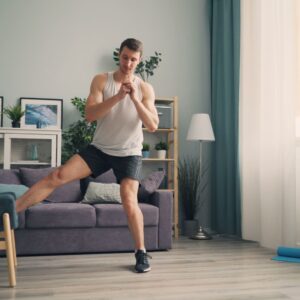
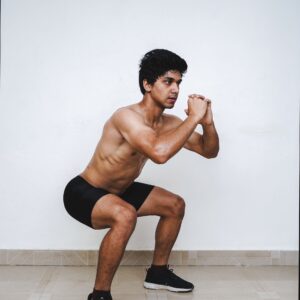
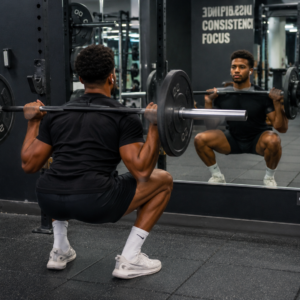
- Squats (tempo or jump variations)
- Reverse lunges
- Glute bridges
- Step-ups (use a sturdy chair)
Upper Body
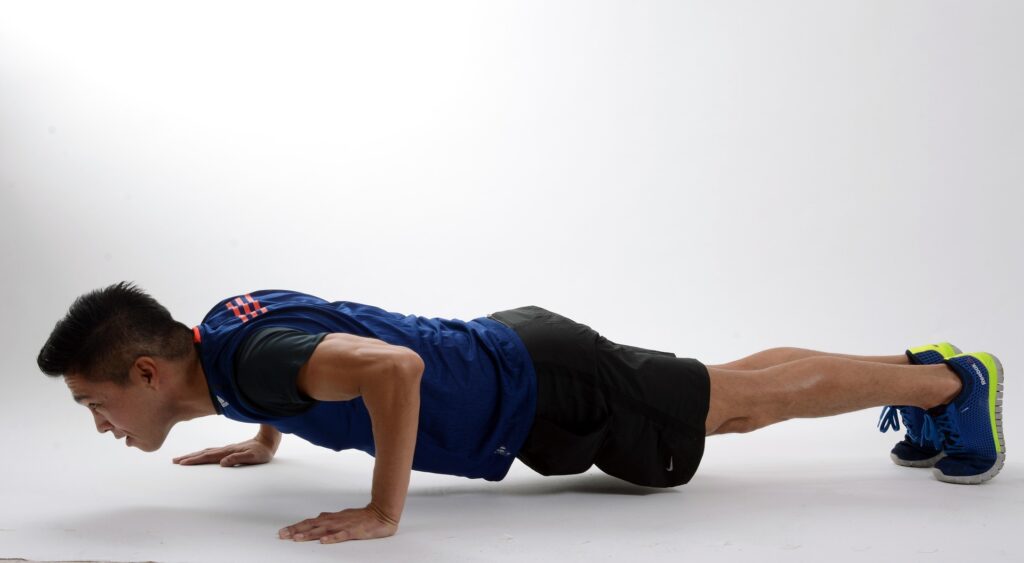
- Push-ups (incline, decline, tempo)
- Pike push-ups
- Chair dips
- Resistance band rows
Core
- Plank variations
- Dead bugs
- Mountain climbers
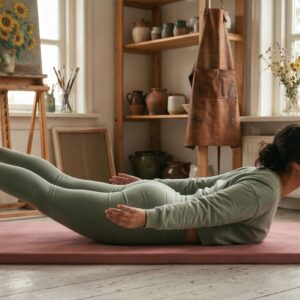
- Hollow holds
Cardio Boosters
- Jump rope (invisible rope works)
- High knees
- Skater hops
- Burpees
A Practical 20-Minute Small Space Workout
Goal: Full-body strength + conditioning
Space Required: 6×6 feet
Equipment: None
Step 1: Warm-Up (3 minutes)
- 30 sec jumping jacks
- 30 sec hip circles
- 30 sec arm swings
- Repeat once
Step 2: Strength Circuit (12 minutes)
Perform 3 rounds:
- 12 Squats
- 10 Push-ups
- 12 Reverse Lunges (each leg)
- 30-sec Plank
Rest 60 seconds between rounds.
Step 3: Finisher (5 minutes)
Alternate for 5 minutes:
- 20 seconds high knees
- 40 seconds rest
Simple. Efficient. Effective.
Unique Insight Most Blogs Miss: The Power of Tempo Training
Here’s something many competitors overlook:
Slowing down your repetitions increases muscle tension without adding equipment.
Example:
- Standard squat: 1 second down, 1 second up
- Tempo squat: 4 seconds down, 1-second pause, 2 seconds up
This increases time under tension, a key driver of muscle adaptation.
If you’re over 40 or managing joint sensitivity, tempo training is a safer way to build strength without heavy loads.
Is Small Space Fitness Enough to Build Muscle?
Yes if you apply progressive overload.
Progression can include:
- Increasing reps
- Slowing tempo
- Adding resistance bands
- Increasing time under tension
- Reducing rest periods
Muscle responds to stimulus not gym mirrors.
Risks or Limitations
Let’s stay realistic.
1. Limited Maximal Load
Advanced lifters may outgrow bodyweight-only programs.
2. Ceiling for Strength Athletes
Powerlifters and Olympic lifters need heavy equipment.
3. Motivation Challenges
Home environments can be distracting.
Solution? Structure and accountability.
At Sportiemade, we emphasize discipline over hype. Build a schedule. Treat it like an appointment.
Real-World Scenario
Mark, 42, works 10-hour days and lives in a downtown apartment.
He thought fitness required:
- A rack
- A barbell
- 90 minutes
Instead, he committed to 25-minute sessions, four days per week.
Six months later:
- 18 pounds down
- Blood pressure improved
- Back pain reduced
The difference? Consistency.
Common Myth: “You Can’t Get Fit Without a Gym”
False.
A 2022 review in PubMed showed structured home-based resistance training significantly improves muscular strength and cardiovascular markers.
The gym is a tool.
Your body is the machine.
Pro Tip from Sportiemade
Stack habits.
Pair your workout with an existing routine:
- Right after brushing teeth
- Before your morning shower
- During a lunch break
Consistency beats intensity.
And don’t forget recovery:
- 7–9 hours sleep
- Adequate protein intake
- Mobility work twice weekly
Explore our [Related Home Workout Guide] for progression plans.
For holistic strategies, visit our [Healthy Living Resource Page].
Quick Summary
- You only need about 6×6 feet to train effectively.
- Bodyweight training builds strength and endurance.
- Progressive overload still applies without weights.
- Tempo training increases intensity safely.
- Consistency drives long-term health benefits.
Frequently Asked Questions (FAQ)
1. Can you really build muscle in a small apartment?
Yes. With progressive overload through increased reps, tempo changes, or resistance bands you can stimulate muscle growth effectively without heavy equipment.
2. How long should a small space workout be?
20–30 minutes is sufficient when exercises are structured efficiently and performed with intensity.
3. Is small space HIIT safe for beginners?
Beginners should start with low-impact variations and focus on form. Gradual progression reduces injury risk.
4. How many days per week should I train at home?
Most adults benefit from 3–5 days per week of moderate-intensity training, aligned with WHO physical activity guidelines.
5. Do I need equipment for effective home workouts?
No. Equipment can enhance progression, but bodyweight alone is effective when programmed properly.
Final Takeaway: Start Where You Stand
You don’t need a bigger apartment.
You don’t need expensive machines.
You don’t need perfect conditions.
You need a plan and the discipline to follow it.
Small space fitness works because it removes friction. When friction drops, consistency rises. And when consistency rises, health follows.
Start today. Clear a small area. Set a timer. Move with purpose.
Your future strength doesn’t require more space just more commitment.
This article is for educational purposes only and does not replace professional medical advice. Consult your healthcare provider before starting any new health routine.
Suggested Citations
- World Health Organization. Physical Activity Fact Sheet.
- Mayo Clinic Proceedings. Regular Exercise and Cardiovascular Health.
- National Institutes of Health (NIH). Sedentary Behavior and Metabolic Risk.
- PubMed.gov. Effects of Bodyweight Training on Muscle Strength and Cardiovascular Health.

Nick Smoot is a certified fitness coach and the founder of Smoot Fitness, established in 2012. With over a decade of hands-on experience, Nick has personally coached more than 400 clients both in person and online helping them achieve lasting, life-changing physical transformations.
As a contributing expert at Sportiemade (sportiemade.com), Nick brings real-world expertise and a no-nonsense approach to fitness. His coaching philosophy goes beyond short-term results: he equips every client with the knowledge, habits, and mindset needed to get into the best shape of their life and stay there permanently.
Nick specialises in strength training, endurance performance, and the mental discipline that ties them together. His signature philosophy? Lift heavy, run far, and never stop learning.
Whether you are just beginning your fitness journey or looking to break through a plateau, Nick's evidence-based methods and proven track record make him one of the most trusted voices in the fitness space.