15 Life-Changing Yoga Poses for Better Flexibility
Ever notice how simple movements like bending to tie your shoes can feel harder than they should? That’s often a flexibility issue, not strength. The good news: you don’t need extreme routines or a studio membership to fix it.
What are the best yoga poses for flexibility?
The best yoga poses for flexibility are movements that gently stretch muscles while improving joint range of motion, such as Downward Dog, Forward Fold, Pigeon Pose, and Butterfly Pose. Practiced consistently, these poses help reduce stiffness, improve mobility, and support better posture in daily life.
Why Flexibility Matters More Than You Think
Flexibility isn’t just about touching your toes.
It affects how you move, how you recover, and even how you age. Limited mobility can lead to muscle imbalances, poor posture, and higher injury risk especially if you sit for long hours.
For busy professionals or home workout enthusiasts, improving flexibility is one of the fastest ways to feel better physically without adding intense training.
Think about this:
If your muscles can’t move freely, your strength and endurance won’t perform at their best either.
Science-Backed Benefits of Yoga for Flexibility
Research consistently shows that yoga improves flexibility and mobility across age groups.
Here’s what the data suggests:
- A 2016 NIH study found regular yoga significantly improves flexibility and balance in adults
- Harvard Health reports that stretching-based practices like yoga reduce muscle stiffness and improve joint health
- A PubMed review highlights yoga’s role in improving functional movement and reducing injury risk
Key benefits include:
- Increased range of motion
- Reduced muscle tightness
- Better posture and alignment
- Improved circulation
- Lower stress levels (which also affects muscle tension)
15 Life-Changing Yoga Poses for Better Flexibility
You don’t need to do all 15 at once. Start with 5–7 and build gradually.
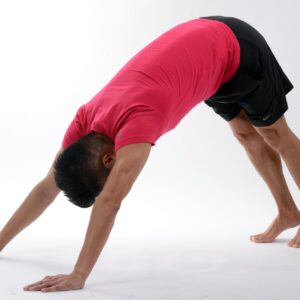
1. Downward-Facing Dog (Adho Mukha Svanasana)
Targets: Hamstrings, calves, shoulders
A foundational stretch that lengthens the entire back body.
2. Standing Forward Fold (Uttanasana)
Targets: Hamstrings, lower back
Let gravity do the work avoid forcing the stretch.
3. Cat-Cow Stretch
Targets: Spine, neck
Improves spinal mobility and reduces stiffness from sitting.
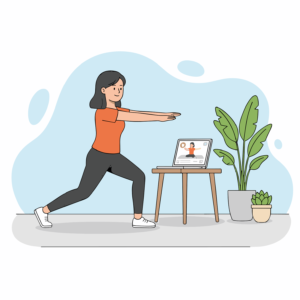
4. Low Lunge (Anjaneyasana)
Targets: Hip flexors, quads
Perfect if you sit most of the day.
5. Pigeon Pose
Targets: Glutes, hips
One of the most effective poses for deep hip flexibility.
6. Butterfly Pose (Baddha Konasana)
Targets: Inner thighs
Simple, beginner-friendly, and highly effective.
7. Seated Forward Bend (Paschimottanasana)
Targets: Hamstrings, spine
A deeper version of forward fold.
8. Cobra Pose (Bhujangasana)
Targets: Chest, abs
Improves spinal extension and posture.
9. Child’s Pose (Balasana)
Targets: Lower back, hips
Great for recovery and gentle stretching.
10. Triangle Pose (Trikonasana)
Targets: Hamstrings, hips, side body
Adds lateral flexibility often overlooked.
11. Garland Pose (Malasana)
Targets: Ankles, hips
Helps restore natural squat mobility.
12. Half Splits (Ardha Hanumanasana)
Targets: Hamstrings
A safe progression toward deeper flexibility.
13. Thread the Needle
Targets: Shoulders
Excellent for upper body mobility.
14. Bridge Pose (Setu Bandhasana)
Targets: Hip flexors, spine
Combines flexibility with light strength.
15. Supine Twist
Targets: Spine, lower back
Improves rotational mobility and relaxation.
Comparison Table: Beginner vs Intermediate Flexibility Poses
| Level | Poses | Focus Area | Difficulty |
|---|---|---|---|
| Beginner | Child’s Pose, Butterfly, Cat-Cow | Gentle mobility | Easy |
| Beginner+ | Downward Dog, Forward Fold | Full-body stretch | Moderate |
| Intermediate | Pigeon Pose, Half Splits, Triangle | Deep flexibility | Moderate+ |
| Advanced | Full Splits, Deep Backbends | Extreme range | High |
How to Practice: Step-by-Step Routine
Here’s a simple 15-minute home routine:
Step 1: Warm-Up (3 minutes)
- Cat-Cow × 10 reps
- Light forward fold hold
Step 2: Core Flow (8–10 minutes)
Hold each pose for 20–40 seconds:
- Downward Dog
- Low Lunge (both sides)
- Pigeon Pose (both sides)
- Butterfly Pose
- Seated Forward Bend
Step 3: Cool Down (3 minutes)
- Child’s Pose
- Supine Twist
Frequency:
- 3–5 times per week for noticeable results
Real-World Scenario
Imagine this:
You’ve been working at a desk for 8 hours. Your hips feel tight, your back stiff. Instead of ignoring it, you spend 10 minutes doing Pigeon Pose, Low Lunge, and Child’s Pose.
Within a week, you notice:
- Less back discomfort
- Easier movement when standing up
- Better posture without thinking about it
That’s how small, consistent flexibility work compounds.
Pro Tip from Sportiemade
Don’t chase depth chase consistency.
Most people push too hard, too fast. That leads to strain, not progress.
Instead:
- Stay at 70–80% intensity
- Breathe slowly through each pose
- Let flexibility build gradually
This approach supports long-term joint health especially important if you’re over 40 or balancing strength training.
Common Mistake to Avoid
Mistake: Forcing stretches
Pain is not progress here.
Pushing into discomfort can:
- Strain muscles
- Irritate joints
- Delay recovery
Better approach:
Ease into the stretch and let your body adapt over time.
Risks or Limitations
Yoga is generally safe, but keep these in mind:
- Overstretching can cause muscle strain
- Pre-existing injuries may require modified poses
- Some deep hip or spinal poses may not suit beginners
If something feels sharp or wrong stop immediately.
Quick Summary
- Flexibility improves movement, posture, and injury prevention
- Yoga is one of the most effective ways to build mobility at home
- Start with beginner-friendly poses and progress gradually
- Consistency matters more than intensity
- Even 10–15 minutes a day can lead to noticeable improvements
FAQs
1. How long does it take to improve flexibility with yoga?
Most people notice improvements within 2–4 weeks of consistent practice, though deeper flexibility can take several months.
2. Is yoga enough to become flexible?
Yes, especially when practiced regularly. Combining yoga with strength training can improve results further.
3. Can beginners safely do these poses?
Absolutely. Start with beginner-friendly poses and avoid pushing too deep too soon.
4. Is it better to stretch in the morning or evening?
Both work. Morning improves mobility for the day, while evening helps release tension.
5. How often should I do yoga for flexibility?
Aim for at least 3–5 sessions per week for steady progress.
Final Thoughts: What to Do Next
Start simple.
Pick 5 poses from this list and commit to doing them for the next 7 days. No overthinking, no perfection just consistent movement.
If you’re building a full routine, explore:
[Related Home Workout Guide]
[Healthy Living Resource Page]
Flexibility isn’t about extremes. It’s about moving better, feeling better, and staying active for years to come.
Medical Disclaimer
This article is for educational purposes only and does not replace professional medical advice. Consult your healthcare provider before starting any new health routine.
Suggested Citations
- National Institutes of Health (NIH) – Yoga for Health Benefits
- Harvard Health Publishing – The Benefits of Stretching and Flexibility
- PubMed – Effects of Yoga on Flexibility and Balance in Adults