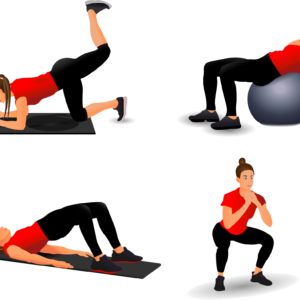
10 Essential No-Equipment Exercises for Beginners
Starting a fitness routine doesn’t require a gym membership, fancy gear, or complicated programs. In fact, some of the most effective exercises use nothing but your own body weight.
Quick Answer (Featured Snippet Target)
No-equipment exercises for beginners are bodyweight movements that improve strength, mobility, and cardiovascular health without machines or weights. Examples include squats, push-ups, lunges, planks, and glute bridges. These exercises can be done at home, require minimal space, and help beginners build foundational fitness safely and efficiently.
Why Bodyweight Training Matters
Picture this.
You’ve decided to get healthier, but the gym feels intimidating. Machines look complicated. Free weights feel risky.
So you do nothing.
That scenario happens far more often than most people admit.
Bodyweight training solves this problem.
It removes barriers and helps beginners focus on movement quality, strength balance, and consistency three factors that matter more than heavy weights early on.
Research published in the Journal of Strength and Conditioning Research shows bodyweight resistance training can significantly improve strength, endurance, and functional fitness in beginners.
For busy professionals or anyone building a home workout routine, bodyweight exercises are often the most practical starting point.
Science-Backed Benefits of No-Equipment Exercises
Bodyweight workouts deliver more benefits than many people expect.
Here’s what research consistently shows.
1. Improves Functional Strength
Exercises like squats and lunges mimic everyday movements such as sitting, climbing stairs, or lifting groceries.
2. Enhances Joint Stability
Controlling your own body weight activates stabilizing muscles that machines often ignore.
3. Supports Heart Health
When performed in circuits, bodyweight workouts can elevate heart rate and improve cardiovascular fitness.
4. Builds Mobility and Coordination
Movements across multiple joints help maintain flexibility and body awareness.
5. Encourages Long-Term Consistency
The easier a routine is to start, the more likely you’ll stick with it.
According to the World Health Organization, regular physical activity lowers the risk of heart disease, diabetes, and early mortality.
The 10 Essential No-Equipment Exercises for Beginners
These movements form the backbone of many effective home training programs.
Each one trains multiple muscle groups and teaches fundamental movement patterns.
1. Bodyweight Squats
Primary muscles:
Quadriceps, glutes, hamstrings
Squats train one of the most natural human movements sitting and standing.
How to do it
- Stand with feet shoulder-width apart.
- Push hips back as if sitting in a chair.
- Lower until thighs are nearly parallel to the floor.
- Press through your heels to stand.
Beginner target:
10–12 reps × 3 sets
Coach tip: Keep your chest upright and knees tracking over your toes.
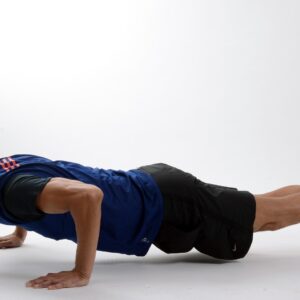
2. Push-Ups
Primary muscles:
Chest, shoulders, triceps, core
Push-ups are one of the best upper-body exercises available without equipment.
Step-by-step
- Start in a high plank.
- Hands slightly wider than shoulders.
- Lower chest toward the floor.
- Push back up while bracing your core.
Modification:
Start with knee push-ups if full push-ups are too challenging.
3. Glute Bridges
Primary muscles:
Glutes, hamstrings, lower back
Many beginners spend hours sitting. This weakens the glutes.
Glute bridges help restore hip strength.
How to perform
- Lie on your back with knees bent.
- Feet flat on the floor.
- Lift hips upward.
- Squeeze glutes at the top.
Pause for 2 seconds before lowering.
4. Walking Lunges
Primary muscles:
Quads, glutes, calves
Lunges improve balance and single-leg strength.
Instructions
- Step forward with one leg.
- Lower until both knees reach about 90 degrees.
- Push through your front heel.
- Step forward with the opposite leg.
Beginners can perform stationary lunges first.
5. Plank
Primary muscles:
Core, shoulders, back
The plank builds deep core stability.
Steps
- Forearms on the floor.
- Elbows under shoulders.
- Body in a straight line.
- Tighten abs and glutes.
Beginner goal:
20–30 seconds per set.
6. Mountain Climbers
Primary muscles:
Core, shoulders, hip flexors
This move adds a cardio component to your workout.
How to do it
- Start in a push-up position.
- Drive one knee toward your chest.
- Switch legs quickly.
Maintain a steady rhythm.
7. Step-Back Lunges
These reduce knee stress compared to forward lunges.
How to perform
- Step one leg backward.
- Lower your back knee toward the floor.
- Return to standing.
This variation improves balance and hip control.
8. Bird Dog
Primary muscles:
Core stabilizers, lower back
This exercise teaches spinal stability.
Instructions
- Start on hands and knees.
- Extend opposite arm and leg.
- Keep hips level.
- Hold for 2 seconds.
Slow control matters more than speed.
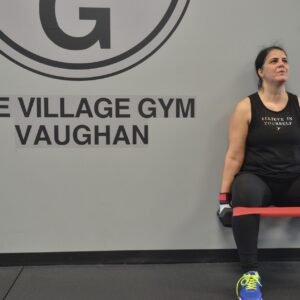
9. Wall Sit
Primary muscles:
Quadriceps, glutes
Wall sits develop muscular endurance.
Steps
- Lean against a wall.
- Slide down until knees reach 90 degrees.
- Hold the position.
Beginner target:
20–40 seconds.
10. Jumping Jacks
Primary muscles:
Full body cardio
Jumping jacks raise heart rate quickly and improve coordination.
Basic steps
- Jump feet apart.
- Raise arms overhead.
- Return to starting position.
Low-impact option: step jacks instead of jumping.
Practical Beginner Workout Plan
Here’s a simple routine using the exercises above.
| Exercise | Reps | Sets |
|---|---|---|
| Squats | 12 | 3 |
| Push-Ups | 8–10 | 3 |
| Glute Bridges | 12 | 3 |
| Lunges | 10 each leg | 3 |
| Plank | 30 sec | 3 |
| Jumping Jacks | 30 sec | 3 |
Rest: 30–60 seconds between exercises.
Perform this routine 3–4 times per week.
A Scenario Many Beginners Relate To
Imagine a busy professional working long hours.
They want to get fitter but only have 20 minutes in the morning.
Instead of skipping workouts entirely, they perform:
- 3 rounds of squats
- push-ups
- planks
- jumping jacks
Within weeks they notice:
- improved energy
- less lower-back stiffness
- better stamina climbing stairs
This is how sustainable fitness starts.
Small routines done consistently beat complicated plans done rarely.
Unique Insight: The “Movement Foundation” Rule
Most beginners focus on burning calories.
But experienced coaches prioritize something different first:
movement patterns.
The five foundational patterns include:
- Squat
- Hinge
- Push
- Pull
- Core stabilization
Even without equipment, exercises like squats, push-ups, and planks train several of these patterns.
Building this foundation lowers injury risk when progressing to weights later.
This approach is widely used in sports performance training but rarely explained in beginner fitness articles.
Risks and Limitations
Bodyweight training is effective, but beginners should be aware of a few limitations.
1. Limited Progressive Resistance
Eventually your muscles adapt. At that point you may need:
- resistance bands
- dumbbells
- advanced bodyweight variations
2. Poor Form Risk
Without guidance, beginners sometimes:
- round their backs
- let knees collapse inward
- hold their breath
3. Overdoing High-Impact Movements
Too many jumping exercises early on may stress joints.
Solution: build strength first.
Common Beginner Mistakes
Doing Too Much Too Soon
Motivation is high during week one.
Soreness often appears by week two.
Start with short sessions and build gradually.
Ignoring Recovery
Muscles grow during recovery, not just exercise.
Aim for:
- 7–8 hours of sleep
- hydration
- light stretching
Skipping Warm-Ups
Even a 3-minute warm-up helps:
- arm circles
- bodyweight squats
- light marching in place
Pro Tip from Sportiemade
Instead of chasing long workouts, focus on frequency.
A 15–20 minute home session done four times per week often produces better results than a single intense workout on weekends.
This approach supports the Sportiemade philosophy:
Sustainable fitness beats short bursts of motivation.
[Healthy Living Resource Page]
Quick Summary
If you’re starting a home workout routine, focus on simple bodyweight movements.
Key takeaways:
- Bodyweight exercises build strength and mobility.
- Beginners should train 3–4 days per week.
- Focus on movement quality first.
- Squats, push-ups, and planks form the foundation.
- Short consistent workouts deliver long-term health benefits.
Consistency not perfection drives progress.
Frequently Asked Questions (FAQ)
What are the best no-equipment exercises for beginners?
The most effective beginner bodyweight exercises include squats, push-ups, lunges, planks, glute bridges, mountain climbers, and jumping jacks. These movements train major muscle groups and require minimal space.
How long should a beginner bodyweight workout last?
Most beginners benefit from 15–30 minute workouts performed three to four times per week. Short, consistent sessions help build strength and endurance without overwhelming the body.
Can you build muscle without equipment?
Yes. Bodyweight exercises can build muscle, especially for beginners. Over time, increasing repetitions, slowing tempo, or adding advanced variations helps maintain progress.
Are bodyweight workouts safe for beginners?
For most healthy individuals, bodyweight training is considered safe when performed with proper form and gradual progression. Beginners should start with basic movements and avoid high-impact exercises initially.
How long does it take to see results from home workouts?
Many beginners notice improvements in strength, energy, and mobility within 3–6 weeks when exercising consistently and maintaining healthy lifestyle habits.
Final Takeaway
You don’t need a gym to start getting stronger.
You need:
- a small space
- 20 minutes
- a few fundamental movements
Start with the exercises above. Focus on control, good posture, and consistency.
Over time, these simple bodyweight movements create the foundation for stronger muscles, healthier joints, and long-term fitness.
And that’s exactly what sustainable training should do. 💪
Suggested Sources
- World Health Organization (WHO) Physical Activity Guidelines
https://www.who.int - Mayo Clinic Strength Training Basics
https://www.mayoclinic.org - National Institutes of Health (NIH) Resistance Training and Health Benefits
https://www.nih.gov - Journal of Strength and Conditioning Research Effects of Bodyweight Training
Medical Disclaimer
This article is for educational purposes only and does not replace professional medical advice. Consult your healthcare provider before starting any new health routine.